


Can cervical nabothian cysts cause bleeding?

Cervical glandular cysts—also known as Nabothian cysts—are a common manifestation of chronic cervicitis, alongside cervical erosion and cervical polyps. So, do Nabothian cysts cause bleeding? The following addresses this question.
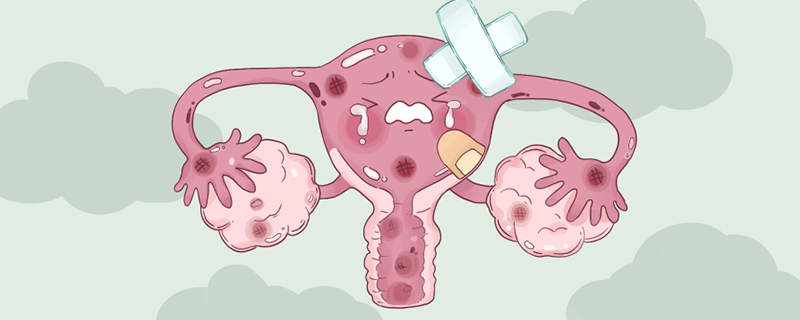
Do Nabothian cysts cause bleeding?
Nabothian cysts typically do not cause vaginal bleeding. If bleeding occurs, other underlying conditions must be considered, such as endometrial polyps or cervical polyps.
Cervical glandular cysts (Nabothian cysts) are predominantly physiological changes of the cervix. During the process of squamous epithelium replacing columnar epithelium in the cervical transformation zone, newly formed squamous epithelium may cover or extend into the cervical glandular orifices, obstructing them. This obstruction impedes drainage of glandular secretions, leading to their accumulation and subsequent cyst formation. Additionally, local cervical injury—such as that caused by microwave therapy, loop electrosurgical excision procedure (LEEP), or cervical conization—or chronic cervical inflammation resulting in narrowing of glandular orifices can also contribute to Nabothian cyst development. These represent the primary etiologies of Nabothian cysts. Typically, they are asymptomatic and require no specific intervention.
If bleeding is present, conditions such as endometrial polyps or cervical polyps should be suspected. Polypectomy may be performed under physician guidance.
Knowledge Extension: How to manage cervical cysts
Asymptomatic cysts generally require only observation and routine cervical cytology (Pap smear) screening at regular intervals. For numerous small Nabothian cysts or larger isolated cysts, physical modalities—including phototherapy, laser ablation, microwave therapy, or self-coagulation knife—may be considered. Larger cysts protruding from the cervical surface may warrant electrocautery excision. In cases of extensive cervical erosion unresponsive to conventional treatment, radiofrequency ablation offers an effective one-time solution: it involves minimal intraoperative trauma and leaves no postoperative scarring—currently representing the most advanced therapeutic option. Postoperatively, patients should maintain external genital hygiene and avoid sexual intercourse and tub bathing until the wound has fully healed.
The above provides an overview of whether Nabothian cysts cause bleeding. We hope this information is helpful to you.


