


What causes slight bleeding during intercourse around the time of ovulation?
Feb 11, 2022
Source: Cainiu Health
Dr. Yin Hongmei
Introduction
Intercourse during the ovulation period accompanied by slight bleeding may indicate one of the following two conditions:
1. Mild spotting during ovulation—this is typically caused by hormonal fluctuations and is generally harmless if it occurs occasionally.
2. However, if the bleeding is consistently heavy or recurs with every menstrual cycle, prompt medical evaluation is recommended, including a pelvic ultrasound and blood tests.
When bleeding is mentioned, many women immediately worry that something is wrong with their bodies. Is light bleeding during intercourse around ovulation normal? In fact, this is often a normal physiological phenomenon. Some women experience such minimal bleeding that they may not even notice it. Ovulation-related bleeding typically requires no treatment—it resolves spontaneously and does not affect health or fertility. However, if bleeding occurs during ovulation, appropriate precautions should be taken.
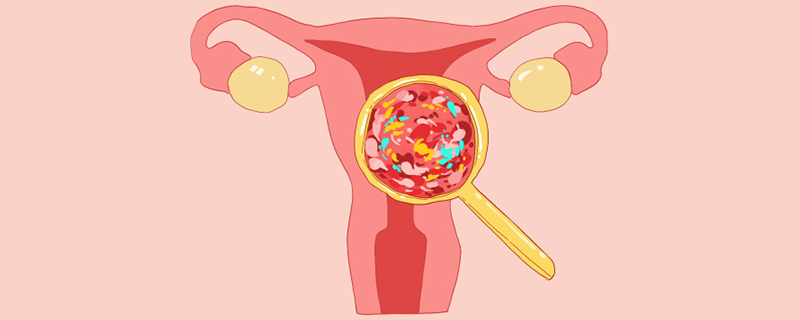
What causes slight bleeding during intercourse around ovulation?
Slight bleeding during intercourse around ovulation may stem from one of the following two causes:
1. Mild bleeding associated with ovulation—this results from hormonal fluctuations and is generally harmless when occasional. However, if the bleeding is unusually heavy or recurs consistently with every menstrual cycle, prompt medical evaluation—including pelvic ultrasound and blood tests—is recommended.
2. Cervical ectropion (formerly termed “cervical erosion”)—post-coital bleeding may indicate chronic cervicitis. A gynecological examination is advised to confirm the diagnosis.
If cervical ectropion is confirmed, screening for precancerous cervical lesions (e.g., Pap smear and/or HPV testing) should be performed first. If results are normal, local vaginal medication or physical therapies (e.g., cryotherapy or electrocautery) may be considered for treatment. Additionally, ensure adequate rest, maintain warmth, avoid staying up late, and undergo regular physical examinations.
Maintaining proper genital hygiene is essential: wash the external genitalia daily with warm water to prevent infection—especially after intercourse, urinate promptly and clean the external genitalia thoroughly. Underwear should be changed and washed regularly and dried in direct sunlight. During ovulation, emphasize consumption of fresh vegetables and fruits; avoid raw, cold, greasy, or highly spiced foods, and drink plenty of boiled water.
During ovulation, a woman’s body is relatively more delicate. Slight bleeding during intercourse at this time is usually normal and not cause for concern. However, if bleeding is heavy or accompanied by other adverse symptoms, timely medical consultation is essential to avoid delaying diagnosis or treatment.
We hope the above information is helpful. Wishing you good health and happiness!




