


What Should You Pay Attention to with Chronic Gastroenteritis?

Gastroenteritis is commonly caused by microbial infection but may also result from exposure to chemical toxins or medications. Typical clinical manifestations include diarrhea, nausea, vomiting, and abdominal pain. Gastroenteritis causes discomfort and disrupts daily life; in severe cases, it can lead to dehydration and electrolyte imbalances. So, what precautions should be taken for chronic gastroenteritis? Let’s explore this together.
What to Consider in Chronic Gastroenteritis
Chronic gastroenteritis is associated with dietary factors and intra- or extra-intestinal infections. Patients are advised to maintain a positive mental outlook and adopt a healthy lifestyle. Emphasis should be placed on food hygiene and dietary habits: consume light, easily digestible meals low in dietary fiber yet rich in nutrients and highly bioavailable—thus minimizing irritation to the intestinal mucosa. Avoid cold beverages, raw fruits, high-fiber vegetables, as well as milk and dairy products.
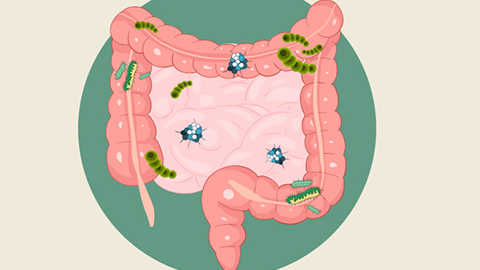
Patients should use anti-inflammatory medications tailored to their individual condition to manage symptoms effectively. A combined approach using both traditional Chinese medicine (TCM) and Western medicine is often recommended for optimal regulation. For instance, TCM formulas that harmonize gastrointestinal function can rapidly alleviate symptoms, clear intestinal toxins and metabolic waste, and improve the overall intestinal environment. For effective treatment of gastroenteritis, patients are strongly advised to seek evaluation and professional care at a large, reputable, specialized hospital.
What to Eat with Gastroenteritis
During an acute episode of gastroenteritis, avoid greasy and heavy foods; instead, opt for bland, easily digestible meals. Increase fluid intake, and consume moderate amounts of fruits and green leafy vegetables. Pay attention to emotional well-being and avoid excessive stress or anxiety. Refrain from smoking and alcohol consumption. Ensure food and environmental hygiene, and avoid overeating or irregular eating patterns. Enteritis—characterized by intestinal inflammation—along with gastroenteritis, may be caused by bacteria, viruses, fungi, or parasites. These pathogens can impair digestion and absorption of nutrients and water, potentially leading to weight loss and malnutrition. Some patients may develop fever and systemic symptoms during acute episodes, hence the term “infectious diarrhea.” Based on disease duration, enteritis is classified as either acute or chronic. For accurate diagnosis and appropriate management, consultation at a large, reputable, specialized hospital is highly recommended.
We hope the above information is helpful to you.


