


How to Massage for Cervical Pain
Feb 17, 2022
Source: Cainiu Health

Dr. Lin Yunfei
Introduction
Cervical pain is commonly caused by cervical spondylosis and can be partially alleviated through massage of acupoints such as Baihui (GV20), Fengchi (GB20), and Taiyang (EX-HN5). However, massage serves only as an adjunctive therapy; cervical spondylosis typically requires treatment with oral medications or surgical intervention. During massage, apply pressure gradually—from light to firm—and perform approximately 20–30 gentle kneading strokes, which may help relieve pain to some extent.
A common cause of cervical pain is cervical fasciitis—or even cervical spondylosis. In such cases, adequate rest is essential; patients should avoid excessive forward bending, fatigue, or prolonged sitting. A definitive diagnosis can be made by an orthopedic physician following a physical examination. So, how should one perform massage for cervical pain? The following section addresses this question.
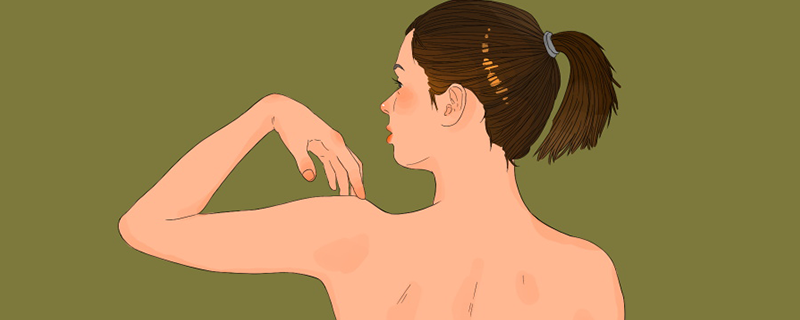
How to Perform Massage for Cervical Pain
Cervical pain is often attributable to cervical spondylosis and may be alleviated—though only as an adjunctive measure—by massaging acupoints such as Baihui (GV20), Fengchi (GB20), and Taiyang (EX-HN5). However, cervical spondylosis typically requires comprehensive treatment, including oral medications and, in some cases, surgical intervention.
Cervical spondylosis commonly results from prolonged periods of forward head posture—such as during desk work or extended smartphone use. Typical symptoms include neck and upper back pain, stiffness, and numbness or tingling in the limbs. Additional systemic manifestations may include nausea, vomiting, tachycardia, and dysphagia. When cervical pain occurs, gentle massage of acupoints—including Baihui, Fengchi, and Taiyang—may provide symptomatic relief. During massage, pressure should gradually increase from light to moderate intensity, with each point massaged approximately 20–30 times. This approach may offer partial pain relief.
Although massage may help alleviate cervical pain, it cannot cure cervical spondylosis. Patients diagnosed with cervical spondylosis require medical supervision and pharmacotherapy—commonly nonsteroidal anti-inflammatory drugs (NSAIDs) such as sustained-release ibuprofen tablets or aspirin tablets. In severe cases involving nerve root or spinal cord compression, prompt surgical evaluation is warranted. Surgical options may include cervical artificial disc replacement or posterior cervical laminoplasty.
The above outlines how to perform massage for cervical pain. We hope this information proves helpful.



