


What does watery vaginal discharge look like?
Feb 17, 2022
Source: Cainiu Health

Dr. Lv Aiming
Introduction
Leukorrhea is a viscous, white, transparent fluid discharged from the vagina in females. Under normal circumstances, it is colorless, transparent, and odorless. However, if a woman’s health status becomes abnormal, the characteristics of her leukorrhea may also change—for instance, it may appear yellowish and malodorous, or it may become watery.
Leukorrhea refers to a viscous, white, transparent fluid discharged from the vagina in women. Under normal circumstances, this discharge is colorless, transparent, and odorless. However, when a woman’s health status becomes abnormal, leukorrhea may also change accordingly—some women may experience yellowish discharge with an unpleasant odor, while others may notice watery discharge. So, what exactly causes watery leukorrhea?
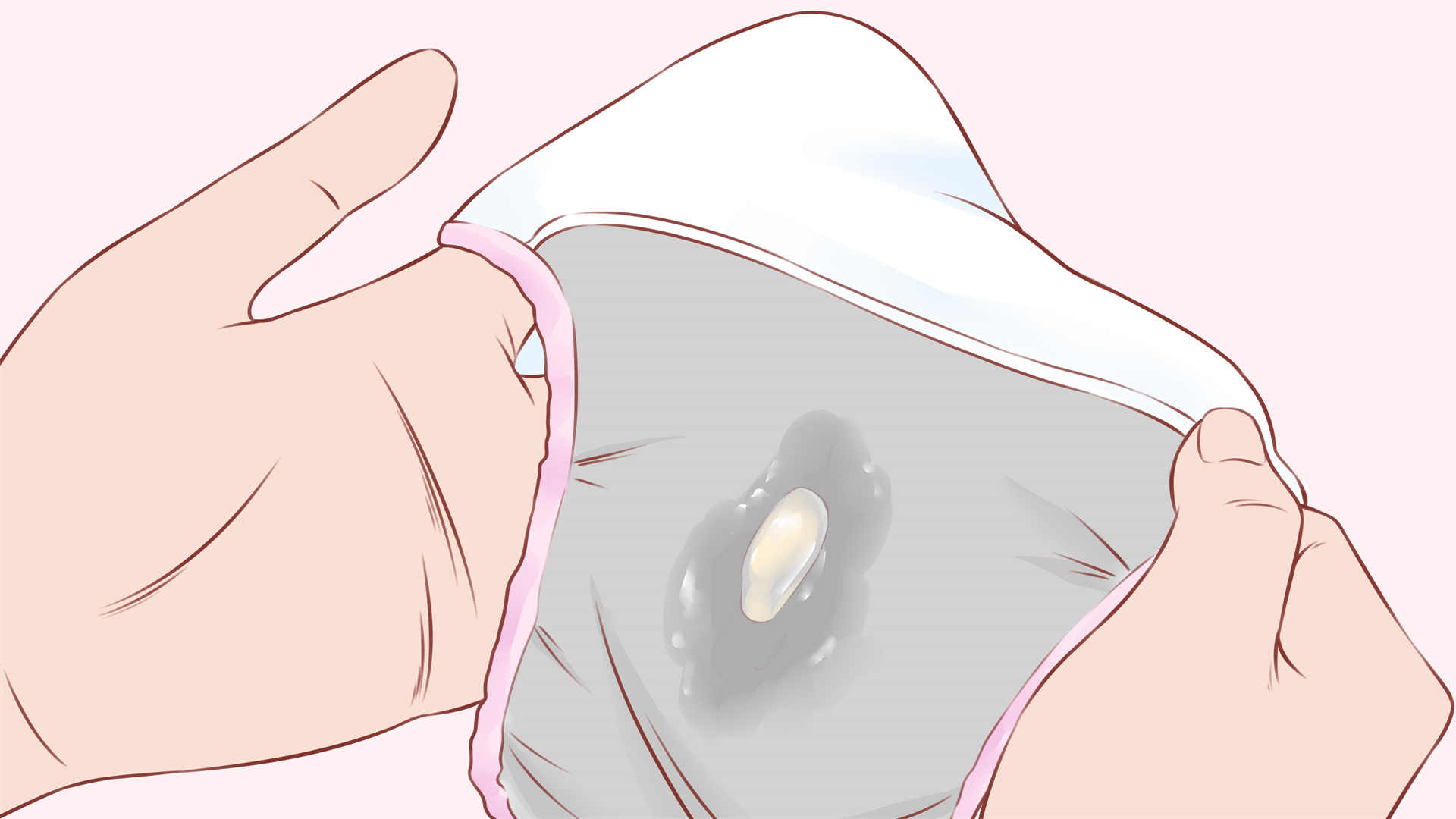
What Does Watery Leukorrhea Look Like?
Watery leukorrhea describes vaginal discharge that is unusually thin and watery in consistency. Such discharge can be either physiological or pathological. Pathological causes include gynecological inflammation and fallopian tube cancer, among others.
I. Physiological Causes
During ovulation or the premenstrual phase, increased estrogen secretion may lead to an increase in vaginal discharge, resulting in clear, stretchy, or watery leukorrhea. This is considered a normal physiological phenomenon and typically resolves within about one week. However, if it persists beyond one week and is accompanied by symptoms such as foul odor or itching, a pathological cause should be suspected.
II. Pathological Causes
1. Gynecological Inflammation
Watery leukorrhea may also result from gynecological inflammatory conditions, such as cervicitis or vaginitis, both of which can cause abnormally thin, watery discharge. Women experiencing such symptoms are advised to seek prompt gynecological evaluation at a hospital.
2. Fallopian Tube Cancer
In rare cases, watery vaginal discharge may indicate fallopian tube cancer. Women presenting with this symptom should consult a physician promptly for diagnostic evaluation. If fallopian tube cancer is confirmed, timely surgical intervention under medical supervision is essential.
Additionally, from the perspective of Traditional Chinese Medicine (TCM), watery leukorrhea may reflect underlying imbalances such as spleen deficiency with dampness accumulation, stagnation of qi and blood, or “zheng jia” (a TCM term referring to abdominal masses or pelvic tumors). Cardiac insufficiency—leading to sluggish circulation and pelvic venous congestion—may also contribute to increased vaginal discharge. From a Western medical standpoint, watery leukorrhea may signal gynecological conditions including cervicitis, pelvic inflammatory disease (PID), vaginitis, trichomoniasis, or candidal (fungal) vaginitis.
We hope the above information is helpful to you. Wishing you good health and happiness!




