


Is hepatomegaly serious, and how is it treated?

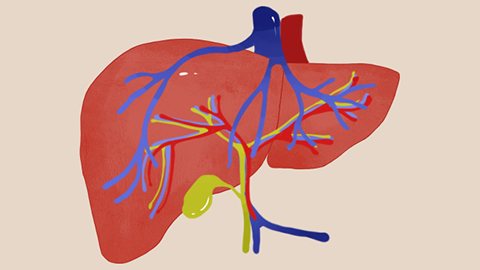
Hepatomegaly—enlargement of the liver—can result from numerous diseases and is an important clinical sign. Diagnosis can be confirmed through physical examination (palpation and percussion) as well as imaging studies such as radiography. During liver examination, clinicians should integrate findings—including patient history, the position, shape, consistency, and respiratory mobility of the liver’s inferior border, presence or absence of tenderness—as well as results of auxiliary tests to determine whether hepatomegaly is present.
Is hepatomegaly serious, and how is it treated?
The severity of hepatomegaly cannot be generalized; rather, it must be assessed individually based on the patient’s specific symptoms and underlying condition.
If hepatomegaly is caused by viral infection, it is generally not severe. Most cases require antiviral therapy under medical supervision—for example, patients with chronic hepatitis B may receive entecavir or interferon. With timely intervention, clinical symptoms typically improve significantly.
In cases of cholestatic hepatomegaly—which is usually not severe—the underlying cause is bile stasis. Treatment must therefore target the specific etiology. For instance, if common bile duct stones are responsible, surgical intervention such as choledochojejunostomy may be required; resolution of the primary condition typically leads to regression of hepatomegaly.
Hepatomegaly resulting from nonalcoholic fatty liver disease (NAFLD), often associated with frequent consumption of high-fat foods, is generally mild. It can be effectively managed through dietary modifications, regular physical activity, or pharmacotherapy (e.g., compound glycyrrhizin).
Drug-induced hepatomegaly, however, tends to be more serious. Discontinuation of the offending medication is essential to minimize hepatotoxicity and alleviate symptoms.
Overall, hepatomegaly is frequently reversible with prompt and appropriate treatment. Patients should also maintain a light, balanced diet in daily life.
We hope this information is helpful to you.


