


What Should a Pregnant Woman Do If She Experiences an Allergic Reaction?

Allergy is a type of cutaneous hypersensitivity disorder that can cause varying degrees of pruritus (itching), erythematous papules, and other skin manifestations. Scratching or rubbing the affected area should be avoided to prevent exacerbation of symptoms. If allergic reactions are severe, prompt medical consultation is advised, and treatment should be administered according to a physician’s recommendations. So, what should pregnant women do if they experience an allergic reaction? Let’s explore this further.
Management of Allergic Reactions During Pregnancy
Allergic reactions during pregnancy can be managed with topical cleansing agents and/or oral medications.
Pregnancy-related allergies commonly result from consumption of spicy, irritating, or allergenic foods. Typical symptoms include small red rashes, intense pruritus, and, upon scratching, discharge of pale yellow purulent fluid. For mild allergic reactions, calamine lotion may be applied topically under medical supervision to exert antiseptic and anti-itch effects. In cases of more severe allergy, oral antihistamines such as cetirizine hydrochloride tablets or loratadine tablets may be prescribed—strictly under physician guidance.
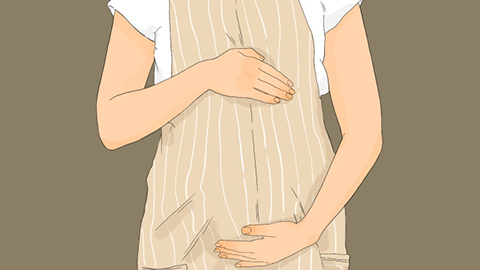
Pregnant women with known allergic constitutions should avoid common allergenic foods during gestation—including fish, shellfish, seafood, and soy products. Personal hygiene must be strictly maintained, and scratching the affected skin should be avoided to prevent secondary infection.
Maintain good local hygiene at all times, avoid allergenic foods, and refrain from consuming spicy or irritating foods—such as chili peppers and garlic—during treatment, as these may worsen pruritus.
Management of Allergic Reactions During Lactation
When lactating mothers develop allergic reactions, the first step is to identify and eliminate the suspected allergen; in many cases, symptoms resolve spontaneously. For mild cutaneous allergic reactions, pharmacological intervention is generally unnecessary. Increasing fluid intake—particularly water—can promote natural detoxification and effectively alleviate allergic skin symptoms. However, if symptoms persist or worsen, medical evaluation is strongly recommended. Should medication become necessary, it must be prescribed and closely monitored by a qualified physician; self-medication is strictly contraindicated. Furthermore, depending on the medication used, temporary suspension of breastfeeding may be advisable to prevent potential adverse effects on the infant.
We hope this information proves helpful to you.


