


What Is Erythematous Gastritis?
Feb 23, 2022
Source: Cainiu Health

Dr. Shen Yonghua
Introduction
Erythematous gastritis refers to the presence of red, patchy lesions within the stomach, primarily caused by inflammation. It is the mildest form of gastritis and is not considered a serious condition. However, if left uncontrolled, it may progress to more severe conditions such as erosive gastritis or gastric ulcers. Once such changes occur, the disease becomes significantly more serious. Additionally, note that erythematous gastritis is often associated with *Helicobacter pylori* infection.
Gastritis refers to inflammation of the gastric mucosa caused by various factors and is one of the most common digestive system disorders. So, what exactly is erythematous gastritis? The following section provides a detailed explanation.
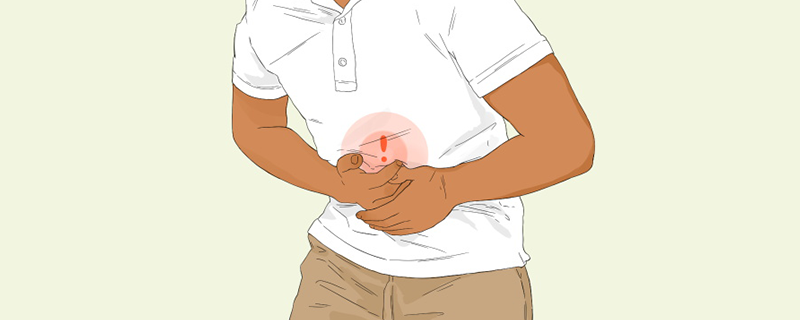
What Is Erythematous Gastritis?
Erythematous gastritis refers to the presence of erythema-like lesions within the stomach, primarily resulting from inflammatory processes. It represents a relatively mild form of gastritis—not a serious condition per se. However, if inadequately managed, it may progress to more severe conditions such as erosive gastritis or gastric ulcers, which carry significantly greater clinical implications. Additionally, when erythematous gastritis coexists with Helicobacter pylori infection, it may become chronic and refractory to treatment.
Erythematous exudative gastritis is characterized by gastric mucosal erythema, hyperemia, and edema. Clinical manifestations include abdominal distension, nausea, vomiting, acid reflux, heartburn, belching, and eructation. In severe cases, patients may present with hematemesis or melena. When erythematous exudative gastritis is suspected, histopathological examination is essential to determine whether it corresponds to superficial gastritis or atrophic gastritis. Concurrently, testing for H. pylori infection must be performed to assess whether this pathogen is involved.
If H. pylori infection is confirmed, eradication therapy using quadruple therapy should be initiated first, followed by adjunctive treatment with gastric mucosal protectants and acid-suppressing agents. Standard quadruple therapy typically includes amoxicillin, clarithromycin, colloidal bismuth pectin, and omeprazole, administered together for 14 days per course. After completing quadruple therapy, it is recommended to continue treatment with omeprazole plus colloidal bismuth pectin for at least two additional weeks.
Dietary modifications are also crucial: avoid excessive intake of acidic or sweet foods, and limit high-calorie items such as chocolate. Refrain from consuming raw, cold, spicy, or highly irritating foods, and minimize ingestion of hard-to-digest or coarse foods. Instead, opt for light, easily digestible meals—such as noodles, congee, and steamed buns. Although vegetables and fruits contain dietary fiber that promotes gastrointestinal motility, excessive consumption is not advised in this context.
The above outlines what erythematous gastritis is. We hope this information proves helpful to you.


