


How to Check for High Blood Sugar in a Complete Blood Count (CBC)

A complete blood count (CBC) is a diagnostic test that evaluates the status of blood and detects diseases by analyzing changes in the number and morphology of blood cells. With advances in modern, automated laboratory technology, CBCs are now performed entirely by automated analyzers. So, how can one determine high blood glucose levels from a CBC? Below, we address this question.
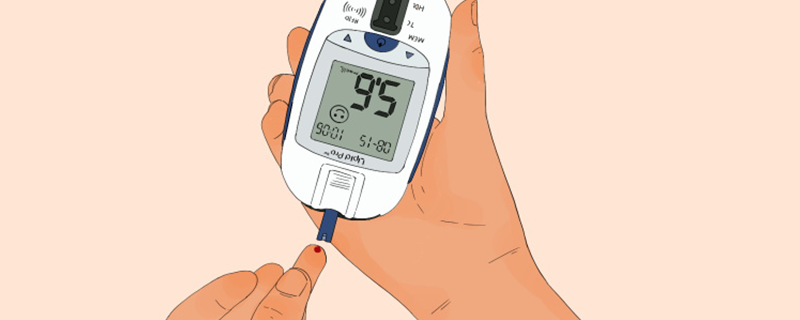
Can High Blood Glucose Be Detected from a CBC?
No—high blood glucose cannot be determined from a CBC. To assess blood glucose levels, a specific blood glucose test must be performed. Here, we clarify that a CBC primarily evaluates red blood cells, white blood cells, and platelets to detect conditions such as infection, anemia, or bleeding disorders. In contrast, only a dedicated blood glucose measurement can accurately determine whether blood glucose levels are elevated.
Blood glucose levels reflect the body’s carbohydrate metabolism. Elevated blood glucose may occur due to insulin resistance or insulin deficiency—hallmarks of diabetes mellitus. However, stress-induced hyperglycemia can also occur; therefore, elevated blood glucose does not necessarily indicate diabetes. To properly evaluate glucose status, clinical biochemistry testing—including a specific blood glucose assay—is required. This biochemical test—not the CBC—is the appropriate method for assessing blood glucose levels.
Additional Information: Important Considerations for CBC Testing
1. Avoid performing a CBC immediately after intense physical exercise. Vigorous activity accelerates blood flow and may cause white blood cells adhering to vessel walls to detach into circulation, leading to transiently elevated peripheral white blood cell counts—potentially interfering with clinical interpretation.
2. Do not schedule a CBC immediately after a large meal or bathing, as both conditions can temporarily elevate peripheral white blood cell counts.
3. Avoid performing a CBC shortly after consuming large volumes of water. Excessive water intake increases plasma volume, thereby diluting blood cells and potentially producing falsely low counts across all blood cell types—leading to misleading clinical conclusions.
The above outlines why high blood glucose cannot be assessed via a CBC. We hope this information is helpful to you.


