


Can Ai Fu Nuan Gong Wan and Xiao Yao Wan be taken together?
Feb 24, 2022
Source: Cainiu Health

Dr. Zhang Lu
Introduction
Ai Fu Nuan Gong Wan and Xiao Yao Wan do not exhibit significant pharmacological incompatibility in terms of their ingredients or therapeutic effects. Ai Fu Nuan Gong Wan primarily contains folium artemisiae argyi (moxa leaf) and rhizoma cyperi (nutgrass galingale rhizome), and functions to regulate Qi, nourish blood, warm the uterus, and regulate menstruation. It is mainly used to treat menstrual disorders and dysmenorrhea caused by blood deficiency with Qi stagnation or deficiency-cold in the lower jiao. In contrast, Xiao Yao Wan contains radix bupleuri (Chinese thorowax root) and radix angelicae sinensis (Chinese angelica root), and serves to soothe the liver, strengthen the spleen, nourish blood, and regulate menstruation.
Ai Fu Nuan Gong Wan is a traditional Chinese medicine used to treat cold-pattern disorders, particularly menstrual irregularities caused by cold congealing in the uterus. Generally, Ai Fu Nuan Gong Wan and Xiao Yao Wan may be taken concurrently, but only under the guidance of a qualified physician. The rationale is as follows:
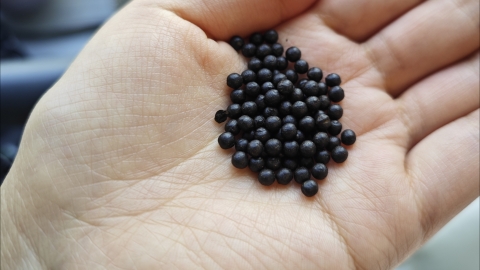
There is no significant pharmacological conflict between Ai Fu Nuan Gong Wan and Xiao Yao Wan in terms of their herbal composition or therapeutic actions. Ai Fu Nuan Gong Wan primarily contains Artemisia leaf (Ai Ye) and Cyperus rhizome (Xiang Fu), and functions to regulate Qi, nourish blood, warm the uterus, and regulate menstruation. It is mainly indicated for menstrual disorders and dysmenorrhea resulting from blood deficiency with Qi stagnation or deficiency-cold in the lower jiao. In contrast, Xiao Yao Wan contains Bupleurum root (Chai Hu) and Angelica root (Dang Gui), and acts to soothe the liver, strengthen the spleen, nourish blood, and regulate menstruation. It is primarily used for symptoms such as emotional depression, distending pain in the chest and hypochondrium, and menstrual irregularities due to liver Qi stagnation and spleen deficiency. These two formulas may exert synergistic therapeutic effects—especially in patients presenting both uterine cold and liver Qi stagnation.
However, individual responses to medication vary. Some patients may experience favorable outcomes without adverse effects when taking both formulas together, whereas others may develop allergic reactions or gastrointestinal discomfort. Even if a physician approves concurrent use, treatment should follow the principle of “stopping once the disease is resolved” (i.e., discontinuing medication upon symptom improvement); long-term or excessive use is not recommended. During treatment, patients should also avoid spicy, stimulating, fried foods, as well as alcohol and tobacco, to prevent interference with drug efficacy or exacerbation of adverse reactions.






