


What Should I Do About Nipple Eczema During Breastfeeding?

Most women prefer to breastfeed their babies to support healthy and robust growth. It is widely believed that breastfed infants enjoy enhanced immune resistance. However, certain conditions that arise during lactation require special management. So, what should be done if a mother develops nipple eczema while breastfeeding? Let’s explore this further.
Management of Nipple Eczema During Lactation
For nipple eczema occurring during lactation, temporary cessation of breastfeeding is generally recommended. Topical corticosteroid creams—such as hydrocortisone cream—may be applied externally for treatment. If the eczema is accompanied by significant exudation and erosion, cold wet compresses using 0.9% sodium chloride injection solution are advised; symptoms typically improve markedly within 2–3 days of such compresses. In cases of severe pruritus, oral antihistamines—such as loratadine, levocetirizine, or ebastine—may be prescribed.
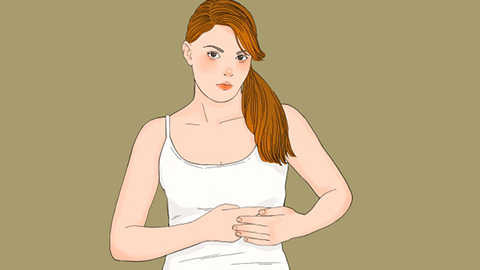
When systemic (oral) medications are used, mothers should discontinue breastfeeding temporarily and switch the infant to formula feeding. Once the eczema symptoms have subsided, breastfeeding may be safely resumed. Additionally, affected areas should not be washed with hot water, and vigorous scratching must be avoided. Fortunately, numerous safe and effective strategies are currently available to alleviate eczema symptoms; lactating women can select appropriate, evidence-based approaches to manage their condition effectively.
The above recommendations are for informational purposes only. Specific medication use should be determined based on individual circumstances and under the guidance of a qualified healthcare professional. We hope this information is helpful to you.


