


Can acute hepatitis B be completely cured?

The liver is the body’s primary metabolic organ and is susceptible to numerous pathogenic stimuli, including infectious microorganisms, metabolic disturbances, and physical or chemical damage. Nevertheless, the liver’s response to diverse insults is remarkably consistent; regardless of the causative agent, the clinical manifestations of acute liver injury are generally similar. So, can acute hepatitis B be completely cured? Let’s explore this further.
Can Acute Hepatitis B Be Completely Cured?
Yes, acute hepatitis B can be completely cured. This is because acute hepatitis B is typically self-limiting: the vast majority of patients recover spontaneously within three to six months. Management generally involves adequate rest, nutritional support, and, when necessary, hepatoprotective or liver-supportive symptomatic treatment—enabling full recovery.
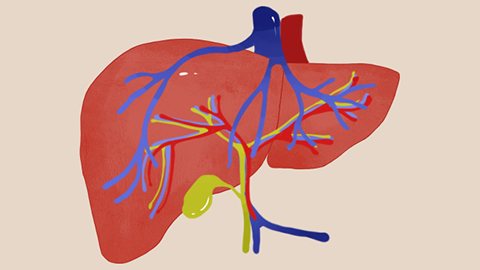
With a robust immune response, the body can fully eliminate the hepatitis B virus. Serological testing (the “five-item hepatitis B panel”) will show disappearance of hepatitis B surface antigen (HBsAg) and emergence of hepatitis B surface antibody (anti-HBs), indicating viral clearance—this constitutes the definitive criterion for complete cure of acute hepatitis B. However, if an acute hepatitis B patient fails to receive timely and appropriate management and remains viremic for more than six months, the infection may progress to chronic hepatitis B, resulting in chronic viral carriage. For individuals with chronic hepatitis B infection, regular follow-up—including monitoring of liver function tests, viral load (HBV DNA), and the five-item hepatitis B panel—is essential. Patients should prioritize adequate rest and seek prompt medical evaluation and treatment should any abnormalities arise.
We hope the above information is helpful to you.


