


What Causes Sticky Stools?

There are many causes of sticky or黏腻 (slimy) stool. The consistency of stool is closely related to the primary components of one’s diet. For example, consuming predominantly meat, high-protein foods, or glutinous rice—ingredients with inherently high viscosity—often results in thicker, stickier stools and a sensation of incomplete or difficult evacuation. However, this condition is not necessarily constipation. So, what exactly causes sticky stool?
What Causes Sticky Stool?
1. Intestinal Diseases
Intestinal diseases encompass a wide range of conditions, including enteritis, ulcerative colitis, colorectal cancer, and intestinal tuberculosis. Patients with these disorders commonly experience sticky stool and increased flatulence. It is important to note, however, that such diseases rarely manifest with only these two symptoms. For instance, enteritis may also present with diarrhea and abdominal pain.
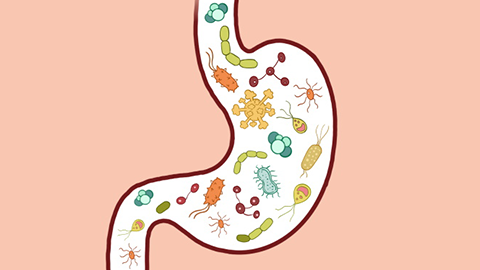
2. Gastrointestinal Dysmotility
A fast-paced lifestyle, high psychological stress, insufficient sleep, prolonged sitting with minimal physical activity, irregular eating habits, binge eating, or overeating can all disrupt autonomic nervous system regulation of gastrointestinal function—leading to gastrointestinal dysmotility. Symptoms may include sticky stool, a persistent sensation of incomplete evacuation, abdominal distension, and abdominal pain.

3. Dietary Factors
Long-term consumption of spicy, greasy, high-protein, or high-fat foods—foods that are difficult to digest—can prolong intestinal transit time. This leads to sluggish, obstructed defecation. In particular, residual undigested protein in the stool contributes to its sticky consistency. Additional associated symptoms may include abdominal bloating, difficulty evacuating, and increased flatus.
The above outlines the main causes of sticky stool. If you encounter this issue, there is no need for excessive anxiety. Instead, try to relax, maintain a positive and calm mindset, and adjust your diet accordingly: reduce alcohol intake; limit spicy, stimulating, and greasy foods; increase consumption of fresh vegetables and fruits; maintain regular daily routines; and cultivate healthy bowel habits. We hope this information proves helpful to you.


