


What Causes an Elevated Platelet Distribution Width (PDW)?

Platelet distribution width (PDW) is a parameter that reflects the variation in platelet volume—essentially, it indicates how uniform or heterogeneous platelet sizes are. An elevated PDW suggests greater variability in platelet volume. So, what causes an increased PDW? Let’s explore the underlying reasons below.
Causes of Elevated Platelet Distribution Width
1. Reactive Thrombocytosis
Reactive thrombocytosis refers to a secondary, non-clonal increase in platelet count triggered by external factors. In other words, certain physiological or pathological stimuli prompt the body’s natural compensatory response, leading to increased platelet production—and consequently, greater variation in platelet size (i.e., elevated PDW). Common triggers include infection, hemorrhage, trauma, and surgery. This type of thrombocytosis represents a normal, self-regulating physiological response.
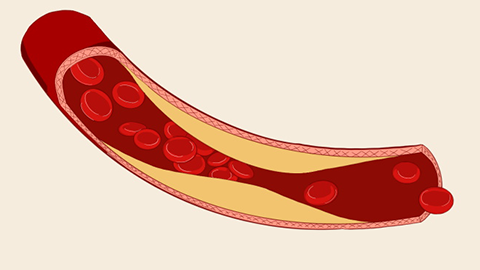
2. Primary (Clonal) Thrombocytosis
Primary thrombocytosis is associated with underlying hematologic disorders—specifically, clonal myeloproliferative neoplasms or other blood diseases causing autonomous overproduction of platelets. Examples include acute myeloid leukemia (AML), chronic myeloid leukemia (CML), and hypersplenism. Notably, after chemotherapy for leukemia, patients may enter a period of bone marrow suppression, during which peripheral blood shows pancytopenia. Primary thrombocytosis carries more serious clinical implications and requires thorough evaluation.

The above outlines the main causes of elevated platelet distribution width. Therefore, if PDW is elevated while the platelet count remains within the normal range, there is generally no cause for excessive concern. However, if platelet count is simultaneously decreased—or markedly and rapidly increased—further diagnostic evaluation, such as bone marrow aspiration and biopsy, may be warranted to establish a definitive diagnosis. We hope this information is helpful to you.


