


Can a 22-year-old still grow taller?

Many people claim that height can still increase slightly after age 23—perhaps even a bit more. Yet, once adulthood is reached, the growth plates in our bones typically close completely. So why do some individuals still experience minor height gains? Is it still possible to grow taller at this stage—and if so, what healthy, effective methods exist to support height increase? Specifically, can one still grow taller at age 22?
Can You Still Grow Taller at Age 22?
Whether or not you can still grow taller at age 22 depends on whether your epiphyseal growth plates have closed—a determination best made through medical evaluation. If the growth plates are fully closed, the likelihood of further height gain is extremely low.

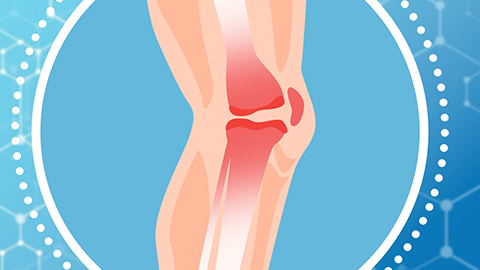
In most cases, puberty has concluded by age 22, and the epiphyseal growth centers at the ends of long bones have largely matured. The epiphyseal cartilage has mostly ossified, making further height increase highly unlikely. To determine definitively whether additional growth remains possible, it is advisable to undergo X-ray imaging of the long bones in the lower limbs—specifically evaluating the femur, tibia, and fibula—to assess whether the growth plates remain open. Standard diagnostic views include anteroposterior (AP) X-rays of the hip, knee, and ankle joints. If these images confirm complete closure of all growth plates, significant height change becomes exceptionally difficult.
An individual’s final adult height is primarily influenced by two major factors: genetics and environmental influences. Genetic factors refer to the direct impact of parental height on offspring height; under similar environmental conditions, taller parents tend to have taller children. Environmental factors include nutrition, physical activity, sleep quality, and other lifestyle elements. A balanced diet rich in protein and calcium—such as lean meats, eggs, dairy products (e.g., milk), and a variety of vegetables and fruits—is essential. Regular physical exercise, especially weight-bearing and stretching activities, along with adequate sun exposure (to promote vitamin D synthesis and calcium absorption), and consistent, sufficient sleep are also crucial for optimal skeletal health and development.
The above addresses the question, “Can you still grow taller at age 22?” We hope this information proves helpful to you.


