


Why do large swellings appear after being bitten by mosquitoes?

Every summer—especially on exposed areas such as the arms and legs—many mosquitoes are attracted to bite, leaving numerous red bumps. These bumps are not fully confluent; some even appear in clusters. So why do large swellings develop after mosquito bites?
Why Do Large Swellings Develop After Mosquito Bites?
Large swellings following mosquito bites may result from toxins present in mosquito saliva, triggering an allergic inflammatory skin reaction known as insect-bite dermatitis, which leads to localized swelling and prominent bumps.
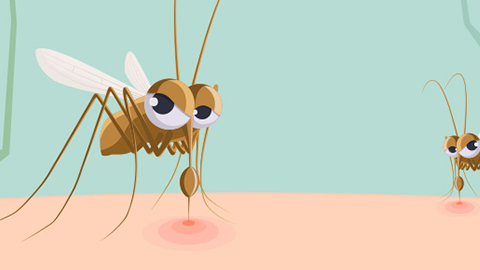
The formation of bumps after mosquito bites reflects a localized allergic inflammatory response. While feeding, mosquitoes secrete saliva containing anticoagulant substances that prevent blood clotting, facilitating blood ingestion. These salivary components are foreign to the human body and thus trigger local inflammation. This inflammatory response causes dilation of capillaries and leakage of tissue fluid (exudate) into surrounding tissues. As capillary dilation increases local blood volume and further stimulates inflammation, exudative fluid accumulates at the bite site—resulting in a raised bump. Over time, this bump gradually resolves as the fluid is reabsorbed.

Clinically, the affected area may exhibit erythematous papules or urticarial papules, pruritic purpura, or even vesicles. In such cases, topical corticosteroid ointments—such as dexamethasone ointment or hydrocortisone ointment—are recommended. If no obvious skin breakdown is present, calamine lotion may also be applied topically. In daily life, patients should avoid scratching or traumatizing the affected area with their hands.
The above explains why large swellings occur after mosquito bites. We hope this information is helpful to you.


