


What Is the Best Diet After Hemorrhoid Surgery?

For patients who have undergone hemorrhoid surgery, diet is a top concern—and a critically important one. A well-balanced diet can significantly accelerate postoperative recovery. So, what foods are most suitable after hemorrhoid surgery? Let’s explore this together.
What Can You Eat After Hemorrhoid Surgery?
During the first 1–2 days following surgery, consume light, easily digestible liquid or semi-liquid foods—such as congee—but avoid overeating. Starting on day 3, you may gradually resume a normal diet, emphasizing high-fiber foods including black fungus (wood ear), tomatoes, pears, celery, leeks, winter melon, loofah, spinach, and water spinach. Such a diet helps maintain regular bowel movements and promotes wound healing. Below are several particularly beneficial foods to include after hemorrhoid surgery.

What Are the Best Foods to Eat After Hemorrhoid Surgery?
1. Persimmons
Persimmons help prevent hemorrhoids. With their astringent taste and cold nature, they possess properties that soften hardness, disperse nodules, clear heat, relieve dryness, strengthen the spleen, and promote fluid production. They are especially effective in preventing constipation and alleviating symptoms such as hard stools or rectal bleeding.
2. Black Fungus (Wood Ear)
Black fungus is beneficial for replenishing blood and stopping bleeding—particularly useful if postoperative bleeding occurs. Rich in protein, fat, mucilage, calcium, phosphorus, iron, beta-carotene, and vitamin B₁, black fungus promotes blood circulation, stops bleeding, moistens the lungs, and generates body fluids—making it an effective adjunct in managing hemorrhoidal bleeding.
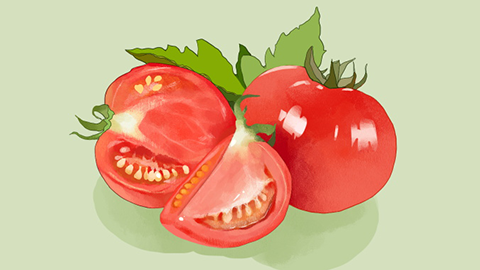
3. Tomatoes
Tomatoes offer multiple health benefits: promoting salivation and quenching thirst, cooling the blood and calming the liver, strengthening digestion, lubricating the intestines and facilitating defecation, clearing heat and detoxifying, and supporting kidney function and diuresis. They are especially suitable for individuals with heat-related illnesses causing thirst, poor appetite, internal summer-heat accumulation, gastrointestinal heat accumulation, or excessive liver/gallbladder heat. Patients suffering from constipation, hemorrhoids, or anal fissures are encouraged to consume tomatoes regularly.
The above outlines the optimal food choices following hemorrhoid surgery. It is essential to maintain adequate hydration postoperatively; only when intestinal moisture exceeds absorption capacity can stool softening be effectively achieved. After full recovery, sustaining healthy lifestyle habits—including proper diet, regular physical activity, and good bowel habits—is vital for preventing hemorrhoid recurrence. We hope this information proves helpful to you.


