What should I do for swollen and painful teeth?
Mar 17, 2022
Source: Cainiu Health

Dr. Qiang Yanli
Introduction
What to Do for Swollen and Painful Teeth:
Method 1: Apply an ice pack. This helps effectively alleviate pain caused by gum inflammation and also significantly reduces swelling.
Method 2: Drink plenty of warm water. Warm water promotes metabolism and helps clear internal heat (“fire”).
Toothache is a common condition encountered in dentistry, often accompanied by symptoms such as gingival redness and swelling, as well as facial swelling. Most toothaches result from dental pulp infection secondary to gingivitis or periodontitis, dental caries, or cracked teeth. So, what should you do when experiencing tooth swelling and pain? Let’s explore some effective approaches below.
What to Do for Tooth Swelling and Pain
First, apply an ice pack. When experiencing tooth swelling and pain, place an ice cube in your mouth. Holding ice in the mouth helps soothe inflamed gums effectively. On one hand, it alleviates pain caused by gum or periodontal issues; on the other, it helps reduce swelling.
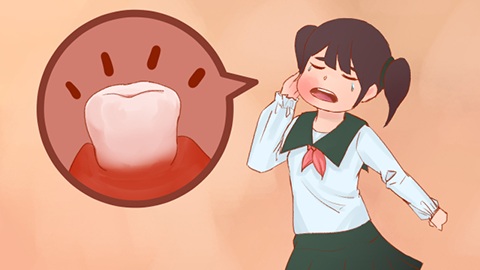
Second, drink warm water. Increasing intake of warm water is also an effective method for relieving gum swelling and pain. Warm water promotes metabolism and helps clear internal “heat” (a traditional concept referring to inflammatory conditions). For optimal results, consider drinking lightly salted water.
Third, take anti-inflammatory medications. Use antiseptic mouthwash to clean the oral cavity—this helps reduce inflammation and kill bacteria. In more severe cases, oral antibiotics such as amoxicillin may be prescribed.
Fourth, consume more fruits. Eating more fruits is another helpful strategy for alleviating tooth swelling and pain. Fruits are rich in vitamins and trace elements; particularly, vitamin C supplementation supports anti-inflammatory and anti-swelling effects.
Dental Care Tips for Toothache Prevention
1. Maintain good oral hygiene
Preventing toothache begins with consistent oral hygiene. Poor oral hygiene allows bacterial accumulation, increasing the risk of periodontitis and other dental diseases—pain being one of the hallmark symptoms of periodontitis. Brush your teeth twice daily, rinse your mouth after meals, and use dental floss to remove food debris lodged between teeth.
2. Limit intake of sweets
Dental caries is another major cause of toothache—especially prevalent among adolescents. Therefore, reducing sugar consumption in daily life is essential, including limiting intake of highly sugary fruits and candies.
3. Schedule regular dental check-ups
Routine dental examinations allow early detection and treatment of dental problems, helping prevent toothache before it develops.
We hope the above information is helpful to you.