


How long does it take for soaked wood ear mushrooms to produce toxins?

Wood ear fungus (Auricularia auricula-judae) is a common ingredient in daily life. After soaking, it becomes soft, smooth, tender, and delicious—making it an indispensable dish on family dining tables. So, how long does it take for wood ear fungus to produce toxins when soaked?
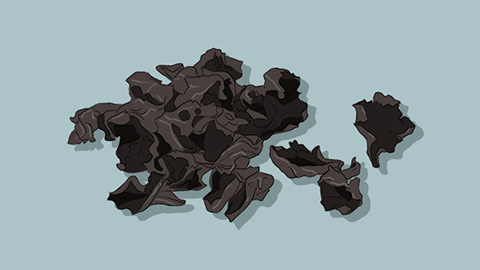
How Long Does It Take for Wood Ear Fungus to Produce Toxins When Soaked?
The time required for wood ear fungus to produce toxins during soaking is highly dependent on the ambient temperature. Toxic substances proliferate more rapidly at higher temperatures and more slowly at lower temperatures. For example, under summer conditions with temperatures around 37°C, toxins may begin forming after approximately eight hours. In contrast, under cooler conditions (1–10°C), toxin formation may take up to 24 hours. Therefore, soaking time should be minimized: typically, wood ear fungus requires only one to two hours of cold-water soaking before it is safe to consume, and soaking should never exceed four hours.

If wood ear fungus is soaked for too long, it can produce *Bongkrekic acid*, a potent toxin. Symptoms of poisoning resemble those of mushroom poisoning and include dizziness, vertigo, generalized weakness, or altered consciousness. Crucially, this toxin is extremely heat-stable—neither blanching nor high-temperature cooking can neutralize it. To date, no specific antidote exists. Prolonged soaking increases susceptibility to external contamination, facilitating the growth of *Burkholderia gladioli* pathovar *cocovenenans*, which produces bongkrekic acid—this is why consuming over-soaked wood ear fungus leads to poisoning.
The above addresses the question of how long wood ear fungus must be soaked before toxin production occurs. We hope this information is helpful to you.


