


How to Treat Hemorrhoids in Adolescents
Hemorrhoids are a common condition encountered in anorectal surgery, primarily caused by downward displacement of the anal cushions and varicosity of the hemorrhoidal venous plexus. Based on their anatomical location relative to the dentate line, hemorrhoids are classified as internal, external, or mixed. So, how are hemorrhoids treated in adolescents? Let’s explore this together.
Treatment of Hemorrhoids in Adolescents
Clinically, conservative management is typically the first-line approach for adolescent patients with hemorrhoids; surgical intervention is considered only if symptoms persist or worsen despite conservative measures. Specific treatment strategies are outlined below.
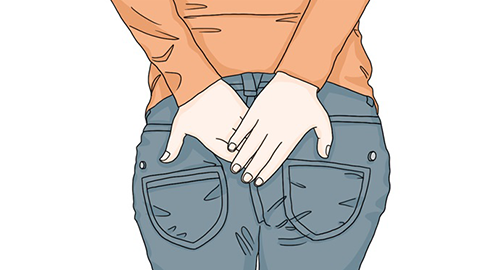
First, avoid staying up late, excessive physical exertion, spicy or irritating foods, smoking, alcohol consumption, prolonged standing or sitting, constipation, straining during defecation, and frequent diarrhea. Establish regular sleep-wake patterns and healthy bowel habits.
Second, topical treatments—such as hemorrhoidal ointments or suppositories—may be used appropriately. Additionally, warm sitz baths can help alleviate symptoms.
If conservative measures prove ineffective, surgical options—including excision of external hemorrhoids or ligation of internal hemorrhoids—may be considered.
Why Do Hemorrhoids Bleed?
Bleeding from hemorrhoids most commonly originates from internal hemorrhoids or the internal component of mixed hemorrhoids. This bleeding is often self-limiting—that is, it typically ceases spontaneously after defecation. The rich musculature surrounding the anus contracts during and after bowel movements, thereby compressing the bleeding site and achieving natural hemostasis. Moreover, orally administered medications cannot rapidly reach the bleeding site, especially in cases of profuse arterial bleeding; therefore, systemic drug therapy alone is generally ineffective for immediate hemostasis.
Dietary modifications are essential, particularly during acute bleeding episodes—spicy or irritating foods and alcohol should be strictly avoided. Maintaining regular, effortless bowel movements and preventing constipation are also critical.
We hope the above information proves helpful. Wishing you a joyful life and optimal health!


