


Which foods contain high levels of DHA?

Pregnant women often supplement DHA because it is one of the essential substances for brain development and growth. DHA is a primary structural component required for the growth and maintenance of nerve cells, and it constitutes a vital part of both the brain and retina. Moreover, DHA plays a crucial role in fetal intellectual and visual development. So, which foods are rich in DHA?

Which Foods Are Rich in DHA?
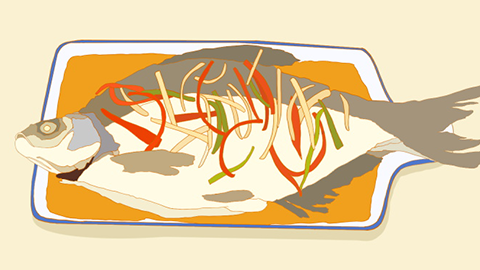
Fatty fish are among the richest dietary sources of DHA—such as sardines, horse mackerel, swordfish, salmon, tuna, yellow croaker, eel, crucian carp, and hairtail—with some containing over 1,000 mg of DHA per 100 g of fish. Nuts and seeds—including walnuts, peanuts, sesame seeds, and almonds—are rich in alpha-linolenic acid (ALA), which the human body can convert into DHA. Seaweed and other algae—including kelp and nori—are also natural sources of DHA.
DHA is an omega-3 polyunsaturated fatty acid with several important physiological functions: 1. It plays a critical role in the growth and maintenance of neural cells, and is especially vital for fetal and infant cognitive and visual development. 2. In adults, it may help improve memory to some extent. 3. It may help reduce the risk of postpartum depression in mothers. 4. It has been studied for potential applications in cancer therapy and prevention of Alzheimer’s disease. However, more DHA is not always better; excessive intake may still cause adverse effects. Therefore, when selecting infant formula, parents should carefully check the levels of DHA and arachidonic acid (AA). Breast milk contains the highest natural concentration of DHA; maternal consumption of fish-rich diets can further increase DHA levels in breast milk.
The above outlines the main dietary sources of DHA. We hope this information is helpful to you.


