


Can pregnant women eat preserved eggs (century eggs)?
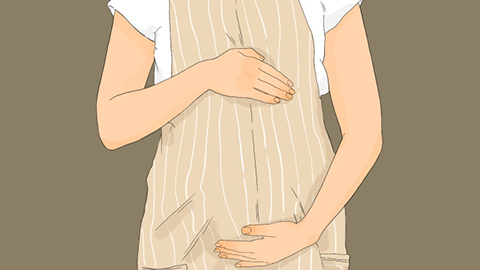
For pregnant women, there are numerous lifestyle considerations to keep in mind—especially regarding diet. Certain foods that may hinder fetal growth and development must be avoided, as they could adversely affect the baby’s healthy development. So, can pregnant women eat preserved eggs (century eggs)?
Can pregnant women eat preserved eggs?
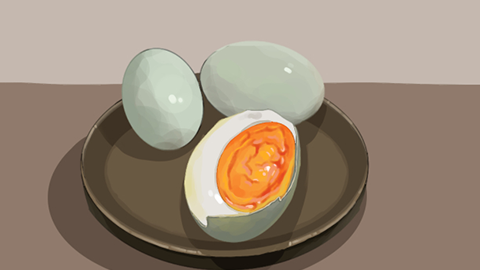
In general, pregnant women are advised to avoid eating preserved eggs (also known as century eggs or pine-patterned eggs). Although preserved eggs can stimulate digestive organs, enhance appetite, promote digestion and nutrient absorption, neutralize gastric acid, and provide a cooling, blood-pressure-lowering effect—making them a popular summer food—they contain high levels of lead. Traditionally, lead oxide and other heavy metals such as copper are added during the curing process to facilitate protein coagulation. Long-term consumption may lead to chronic accumulation of lead and copper in the body, posing risks to health. Excessive lead intake during pregnancy may increase the risk of miscarriage. Moreover, if lead crosses the blood-brain barrier, it can directly suppress growth hormone secretion, potentially resulting in fetal growth restriction (short stature) and precocious puberty.
Pregnant women may benefit from regularly consuming sea cucumber, which is advantageous for fetal development. During pregnancy, the fetus’s requirement for dietary protein increases significantly; insufficient maternal protein intake may impair fetal growth and development. Sea cucumber is exceptionally rich in protein and contains all 18 amino acids essential for human health. Including sea cucumber in the maternal diet supports normal fetal development.
The above addresses the question, “Can pregnant women eat preserved eggs?” We hope this information is helpful to you.


