


Can epilepsy be cured?
Mar 23, 2022
Source: Cainiu Health

Dr. Zhang Ligong
Introduction
In general, epilepsy can be controlled with medication. It is rare for patients to experience improvement in seizure symptoms after discontinuing antiepileptic drugs; most patients require lifelong pharmacotherapy. In some cases of secondary epilepsy, if the underlying cause and precipitating factors are effectively treated—and particularly if those triggers are eliminated—seizures may not recur.
Epilepsy is a challenging neurological disorder whose impact on patients’ physical health tends to worsen over time, making timely treatment essential. In fact, epileptic seizures often follow certain patterns; therefore, gaining a thorough understanding of the factors influencing seizure onset is critically important. Only through comprehensive preventive measures can the risks and harm associated with epilepsy be genuinely reduced. So, can epilepsy be effectively treated? Let’s explore this further below.
Can epilepsy be effectively treated?
In general, epilepsy can be well-controlled with antiepileptic medications. Very few patients experience sustained improvement allowing them to discontinue medication entirely; most require lifelong pharmacotherapy. In cases of secondary (symptomatic) epilepsy, however, addressing the underlying cause or eliminating identifiable triggers may lead to seizure remission—meaning seizures may no longer recur once the causative factor is resolved. Clinical treatment strategies vary significantly depending on the individual patient, and outcomes likewise differ accordingly.
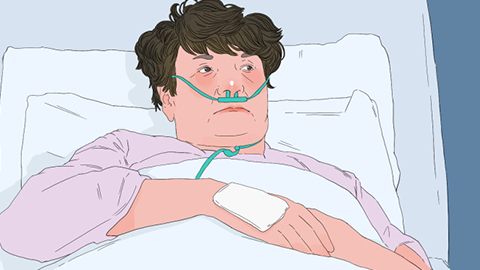
For patients with primary (idiopathic) epilepsy—where no clear structural, metabolic, or genetic cause can be identified—lifelong antiepileptic drug therapy is typically required. Drug selection must be carefully tailored to the specific seizure type and the patient’s individual clinical profile to achieve optimal efficacy and tolerability. In summary, multiple therapeutic approaches exist for epilepsy, and early intervention significantly improves symptom control. However, decisions regarding medication discontinuation or termination of treatment must be guided by careful assessment of disease progression and individual response.
We hope the above information is helpful to you.






