


What medications are used to treat gastritis?
Mar 28, 2022
Source: Cainiu Health

Dr. Liu Zhengxin
Introduction
Medications for Gastritis:
If gastritis is not treated promptly, it may progress to chronic atrophic gastritis. Treatment should be individualized based on the patient’s specific symptoms.
1. For patients experiencing gastric spasm-related pain and hypermotility, oral aluminum hydroxide gel (Gastron) may be prescribed; propantheline bromide may be added if necessary.
2. For chronic erosive gastritis, common regimens include taking Gebituo (a compound bismuth preparation) and Compound Glycyrrhizin-Magnesium during the day, and cimetidine or ranitidine at bedtime.
Gastritis is an acute or chronic inflammation of the gastric mucosa caused by various etiologies. Common symptoms include upper abdominal pain, bloating, belching, and recurrent gastrointestinal bleeding. So, what medications are used to treat gastritis? Let’s explore this together.
Medications for Gastritis Treatment
If left untreated, gastritis may progress to chronic atrophic gastritis, a small proportion of which may further develop into malignant conditions such as gastric cancer. Patients are also at increased risk for complications including gastrointestinal bleeding and atrophic gastritis. Diagnosis typically involves gastroscopy, histopathological examination, gastric juice analysis, pepsinogen assay, and serum gastrin measurement.
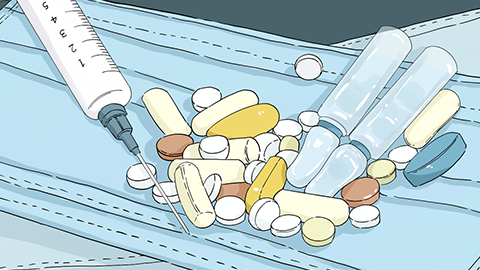
Medication selection should be individualized according to the patient’s specific symptoms.
1. For patients experiencing gastric spasm-related pain or hypermotility, oral aluminum hydroxide–calcium carbonate–magnesium trisilicate tablets (e.g., Gastropine®) may be prescribed; propantheline bromide may be added if necessary.
2. For chronic erosive gastritis, common regimens include taking Gebituo® (a compound bismuth preparation) or compound glycyrrhizin–bismuth–magnesium tablets during the day, and cimetidine or ranitidine at bedtime. In mild cases, mucosal protective agents alone may suffice.
Dietary Considerations for Gastritis Patients
1. Patients should cultivate healthy eating habits—eating smaller, more frequent meals at regular intervals—and avoid coarse, overly salty, sweet, spicy, or otherwise irritating foods and beverages. Smoking and alcohol consumption must be discontinued.
2. A nutritionally balanced meal plan should be developed, emphasizing high-calorie, high-protein, high-vitamin, and easily digestible foods.
3. Cooking techniques should be optimized—e.g., refining coarse grains, adjusting food texture to a moderate softness, and enhancing visual appeal, aroma, and flavor—to stimulate appetite.
We hope the above information is helpful to you.





