


What Are the Symptoms of Advanced Liver Cancer?

Hepatic cancer (liver cancer) is classified into two types: primary liver cancer and secondary (metastatic) liver cancer. Primary liver cancer refers to malignant tumors originating in the liver itself, whereas secondary liver cancer results from metastasis of cancer from other organs to the liver. So, what are the symptoms of advanced liver cancer? Let’s explore them together.
Symptoms of Advanced Liver Cancer
Common manifestations of advanced liver cancer include hepatic pain, abdominal distension, generalized fatigue, weight loss, progressive hepatomegaly or an upper abdominal mass. Some patients may also experience low-grade fever, jaundice, anorexia, diarrhea, fever, upper gastrointestinal bleeding, lower-limb edema, and ascites.
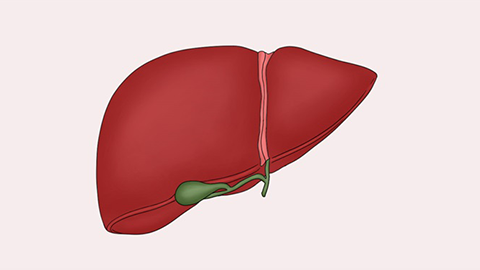
Surgical resection remains the most effective treatment for liver cancer. Surgical approaches include radical hepatectomy and palliative hepatectomy.
Radiotherapy: This modality is suitable for patients in relatively good general condition with preserved liver function, without cirrhosis, jaundice, ascites, splenomegaly, or esophageal varices, and without extrahepatic metastases—particularly those who are not candidates for surgical resection or who experience tumor recurrence.
Traditional Chinese Medicine (TCM) therapy: Based on syndrome differentiation and individualized treatment strategies—including both “attacking” (anti-tumor) and “tonifying” (supportive) approaches—TCM is often integrated with other therapeutic modalities to enhance the body’s resistance to disease, improve systemic symptoms, and alleviate adverse effects associated with chemotherapy or radiotherapy.
Patients with liver cancer should avoid consuming excessive amounts of greasy foods and refrain from eating raw or cold vegetables, as these may predispose to intestinal infection and further impair liver function. For patients with relatively preserved liver function, a diet rich in high-quality protein and vitamins is recommended, while carbohydrate intake should be moderate—not excessive.
For patients with decompensated liver function—especially those presenting with jaundice—appetite is typically diminished and aversion to fatty foods common. In such cases, dietary recommendations emphasize light, easily digestible meals while ensuring adequate caloric intake. Nevertheless, appropriate protein supplementation remains essential—for example, milk, eggs, lean meat, fish, tofu, and mushrooms.
In patients at risk of hepatic failure or hepatic encephalopathy, a low-protein diet is mandatory to minimize intestinal ammonia production and thereby reduce ammonia-induced neurotoxicity to the brain during episodes of encephalopathy.
We hope the above information is helpful to you.


