


What should I do for prolapsed hemorrhoids?
Mar 28, 2022
Source: Cainiu Health

Dr. Cheng Yicheng
Introduction
In general, if prolapsed hemorrhoids occur, treatment options may be selected based on disease severity. For mild cases of hemorrhoidal prolapse, topical hemorrhoid ointments may be used to gradually soften the affected tissue and facilitate its spontaneous reduction back into the anal canal. Additionally, other therapeutic modalities—including infrared coagulation, copper ion electrochemical therapy, and bipolar diathermy—may also be employed to alleviate symptoms.
Hemorrhoids are a chronic condition characterized by symptoms including rectal bleeding during defecation, pain, anal pruritus (itching), and prolapse of hemorrhoidal tissue. This condition most commonly affects individuals aged 45–65 years and is particularly prevalent among those who stand or sit for prolonged periods. Hemorrhoids include internal and external types, and their incidence increases with age. So, what should one do if hemorrhoidal prolapse occurs? The following section addresses this question.
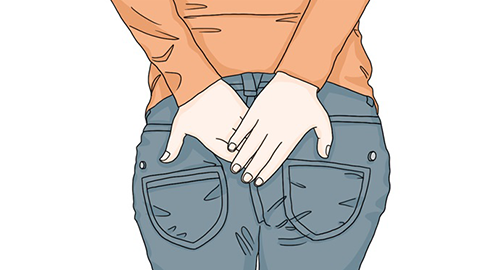
What to Do for Hemorrhoidal Prolapse
In general, treatment options for hemorrhoidal prolapse vary depending on disease severity. For mild cases, topical hemorrhoid ointments may be used to gradually soften the affected tissue and facilitate its retraction back into the anal canal. Additionally, minimally invasive procedures—including infrared coagulation, copper ion electrochemical therapy, and bipolar diathermy—may also help alleviate symptoms.
For more severe cases of hemorrhoidal prolapse, surgical intervention may be necessary. Options include rubber band ligation, anal dilation, hemorrhoidectomy (ligation), or excisional hemorrhoidectomy. In most cases, prognosis is favorable; however, postoperative infection prevention is essential. Please note that the above information is for reference only. Specific medication use should be determined in consultation with a qualified physician based on individual clinical circumstances.
In daily life, after developing hemorrhoids, avoid prolonged sitting or standing. Instead, perform regular pelvic floor (Kegel) exercises, which effectively improve local blood circulation and strengthen the anal sphincter muscles.
We hope the above information is helpful to you.






