


Daily Care Measures for Henoch-Schönlein Purpura

Allergic purpura is a common vascular hypersensitivity disorder. Many patients develop localized red maculopapular rashes, and some may also experience fever. Therefore, timely treatment and appropriate daily care are critically important. What, then, are the recommended daily care measures for allergic purpura? Let’s explore them together.
Daily Care Measures for Allergic Purpura
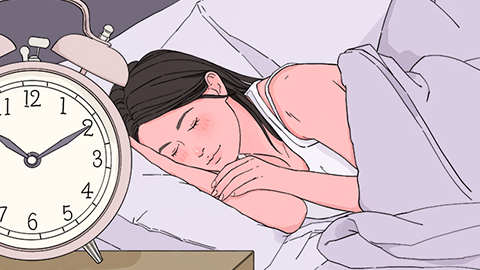
1. Ensure Adequate Rest
During acute episodes, patients with allergic purpura should remain on strict bed rest and avoid excessive physical exertion. If joint pain or fever is present, symptomatic medications may be used to alleviate discomfort. In cases of evident infection, antibiotics may also be required.
2. Maintain Warmth and Prevent Cold Exposure
Patients must take special care to stay warm and avoid cold exposure—chilling must be strictly avoided. Additionally, preventive measures against the common cold are essential to reduce the risk of infection.
3. Pay Attention to Diet
Since certain foods may trigger allergic reactions in patients with allergic purpura, known allergens must be strictly avoided. Seafood, in particular, should be excluded from the diet. Alcohol, as well as spicy foods such as chili peppers, Sichuan peppercorns, and ginger, should also be avoided, as they may provoke disease recurrence.
4. Prevent Infections
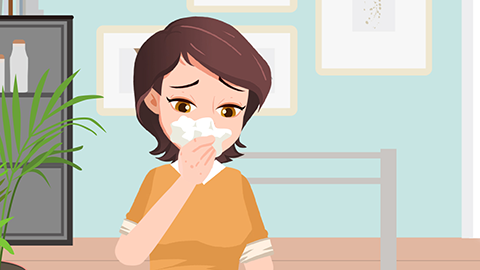
Infection—including bacterial, viral, and parasitic infections—is a major contributing factor to the onset of allergic purpura. Therefore, patients should engage in moderate outdoor physical activity to strengthen their constitution and enhance disease resistance. Simultaneously, proactive prevention and prompt treatment of upper respiratory tract infections—as well as management of chronic infectious conditions such as tonsillitis, dental caries, and sinusitis—are strongly advised.
The above outlines key daily care measures for allergic purpura. Patients should also maintain emotional stability and avoid mental stress. Furthermore, precautions against insect bites are necessary, as such bites may exacerbate the condition. We hope this information proves helpful to you.


