


Is a 16-mm gallstone considered large?

Gallstones can be classified into two types: gallbladder stones and bile duct stones. Small stones often cause no obvious symptoms, whereas larger stones may lead to abdominal fullness, discomfort, and indigestion—significantly impacting patients’ health and quality of life. So, is a 16-mm gallstone considered large? Below, we address this question.
Is a 16-mm gallstone considered large?
Gallstones typically refer to gallbladder stones. A 16-mm gallbladder stone is generally not considered large; gallbladder stones exceeding 20 mm in diameter are classified as large. The most characteristic symptom of gallbladder stones is biliary colic, commonly triggered after heavy meals or consumption of fatty foods. Some patients experience only vague right upper quadrant pain, which may easily be misdiagnosed as gastric disease.
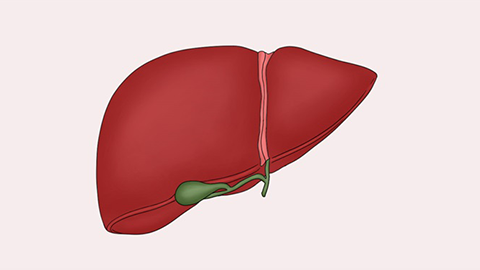
Prolonged impaction or obstruction of the cystic duct by gallbladder stones—without concurrent infection—can result in hydrops of the gallbladder (gallbladder distension with clear fluid). Small gallbladder stones migrating into the common bile duct may become common bile duct stones and precipitate biliary pancreatitis. Additionally, some patients with gallbladder stones may develop jaundice. To confirm diagnosis, imaging studies such as ultrasound or CT scan are required.
If gallbladder stones are small in size and few in number, and the patient remains asymptomatic, observation without immediate surgical intervention is appropriate. However, asymptomatic patients should consider cholecystectomy (gallbladder removal) if any of the following conditions are present: multiple stones; stone diameter ≥ 2 cm; gallbladder wall calcification (porcelain gallbladder); gallbladder polyps ≥ 1 cm; or chronic cholecystitis.
Moreover, all symptomatic gallbladder stone patients require prompt surgical treatment regardless of stone size or number. Laparoscopic cholecystectomy is recommended for eligible patients. Compared with traditional open surgery, laparoscopic cholecystectomy offers advantages including smaller incisions, faster wound healing, and less visible scarring.
We hope the above information is helpful to you.


