


What Causes Urine Leakage During Jump Rope?
Apr 01, 2022
Source: Cainiu Health

Dr. Wang Jianlong
Introduction
Urinary leakage during jumping rope is a common symptom of stress urinary incontinence—a prevalent urological condition. During jumping rope, increased intra-abdominal pressure elevates intravesical pressure, leading to involuntary urine leakage. A common underlying cause of stress urinary incontinence is dysfunction of the urethral sphincter.
In general, urinary leakage during rope jumping is typically due to stress urinary incontinence (SUI), a condition characterized by involuntary leakage of urine from the urethral meatus when intra-abdominal pressure increases—such as during coughing, sneezing, lifting heavy objects, or laughing. SUI may also be associated with aging, as advancing age often leads to pelvic floor muscle laxity, degenerative changes in the urethral sphincter, and decreased estrogen levels—all of which can contribute to stress urinary incontinence. So, what causes urinary leakage during rope jumping? The following section addresses this question.
What Causes Urinary Leakage During Rope Jumping?
Urinary leakage during rope jumping is commonly observed in patients with stress urinary incontinence—a highly prevalent condition in urology. During rope jumping, increased intra-abdominal pressure elevates intravesical pressure, resulting in involuntary urine leakage.
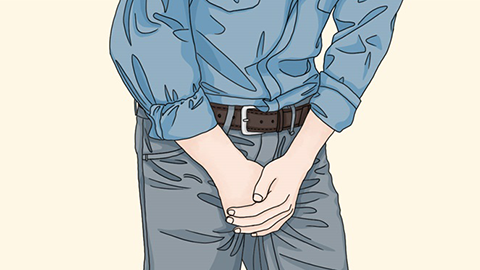
Common underlying causes of stress urinary incontinence include dysfunction of the urethral sphincter or neural damage affecting the urethral sphincter—often secondary to surgical procedures or other factors. This condition frequently impairs quality of life and therefore warrants prompt and appropriate treatment.
Current primary treatment options for stress urinary incontinence include pharmacotherapy, behavioral therapy, and surgical intervention. Pharmacological treatments—such as alpha-adrenergic agonists (e.g., ephedrine) —enhance bladder outlet resistance and improve urethral closure pressure, thereby reducing episodes of incontinence.
Behavioral therapy primarily involves pelvic floor muscle training (e.g., Kegel exercises). If conservative measures prove ineffective, surgical intervention may be considered. Please note that the above information is for reference only. Specific treatment decisions should follow the instructions provided with medications or be made under the guidance of a qualified healthcare professional at an accredited medical facility.
We hope this information is helpful to you.







