


Can azithromycin tablets be taken during breastfeeding?

During breastfeeding, the body produces numerous secretions and residual postpartum debris. Hair washing and bathing may resume one week after delivery; however, care must be taken to avoid exposure to cold. Showering is preferred over tub bathing, and hot water baths should be brief—limited to no more than 10 minutes. For the perineal area, daily cleansing is essential. In cases of episiotomy, cleaning should be performed according to wound healing progress.
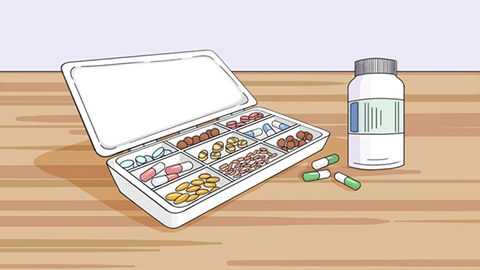
Can azithromycin tablets be taken during breastfeeding?
Azithromycin tablets are generally not recommended during breastfeeding. Azithromycin may be excreted into breast milk, potentially exposing the infant to the drug and increasing the risk of adverse effects. Although definitive clinical data on its safety in lactation remain limited, many medications—including azithromycin—are known to pass into breast milk. Therefore, any decision to use azithromycin while breastfeeding must carefully weigh potential benefits against possible risks; for this reason, breastfeeding women should ideally avoid azithromycin unless absolutely necessary and under strict medical supervision.
Azithromycin may cause various adverse reactions. If transferred via breast milk and ingested by the infant, it could lead to side effects such as allergic reactions—including skin redness, pruritus, rash, or urticaria—as well as gastrointestinal symptoms like indigestion, nausea, vomiting, or diarrhea.
Additionally, other adverse effects may occur, including disruption of normal microbial flora, pseudomembranous colitis, or candidiasis. Neurological manifestations such as seizures, hyperactivity, or excessive drowsiness have also been reported, all of which may adversely affect the infant’s health.
We hope the above information is helpful to you.


