


What are the typical symptoms women experience when they have cervical polyps?

Cervical polyps are relatively well-known among the general public; however, approximately one in three affected individuals remains undiagnosed. Some cervical polyps produce no obvious symptoms, and even when symptoms do occur, they are frequently overlooked. Therefore, recognizing the signs and symptoms of cervical polyps is essential for early detection and timely treatment. So, what are the typical symptoms women may experience when suffering from cervical polyps? Let’s take a closer look.
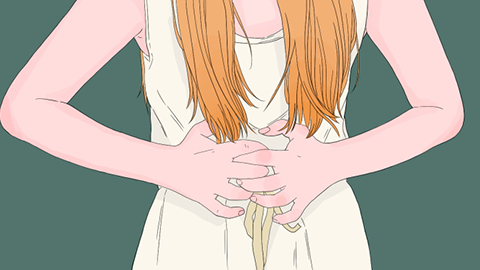
Typical Symptoms of Cervical Polyps in Women
1. Abnormal Vaginal Bleeding
Many patients mistakenly attribute such bleeding to “returning menstruation” (i.e., spotting between periods), as the volume is often minimal and closely resembles menstrual blood—leading to frequent misidentification. Importantly, vaginal bleeding never occurs without cause; any instance warrants prompt medical attention. Bleeding during intercourse or after bowel movements may indicate the presence of a cervical polyp.
2. Pain
Pain is a prominent symptom associated with cervical polyps—particularly during menstruation or sexual intercourse. Some individuals may dismiss this discomfort as typical menstrual cramps or attribute it to vaginal dryness during intercourse. In reality, pain is one of the most characteristic manifestations of cervical polyps.
3. Abnormal Vaginal Discharge
Changes in vaginal discharge can serve as an initial indicator of cervical polyps. For example, yellowish discharge containing streaks of blood and accompanied by a strong, foul odor strongly suggests the presence of a cervical polyp.
4. Passage of Tissue-Like Masses
If grayish-red, small tissue-like masses appear intermittently in vaginal secretions—varying in quantity from time to time—this may indicate the presence of a cervical polyp. Prompt medical evaluation is strongly advised.

Although cervical polyps are commonly perceived by many as a benign, non-serious condition—merely “extra tissue growth on the cervix”—they can readily undergo necrosis, leading to infection or, in rare cases, malignant transformation. Therefore, upon noticing any of the aforementioned symptoms, individuals should seek timely medical consultation and undergo appropriate diagnostic evaluation and treatment under professional medical guidance.


