


Treatment of Anal Eczema

During eczema flare-ups, intense pruritus (itching) occurs, which can be extremely difficult to tolerate—especially when the eczema affects the perianal region, where itching becomes both embarrassing and distressing. Therefore, prompt treatment is essential upon diagnosis of perianal eczema. So, what are the available treatment options for perianal eczema? Let’s explore them below.
Treatment Options for Perianal Eczema
1. Conservative Management
Avoid contact with known allergens and adhere strictly to prescribed medications to prevent recurrence. Patients with secondary infection require antimicrobial therapy. During treatment, avoid local skin irritants such as soap scrubbing, hot water washing, or excessive scratching. Refrain from alcohol and spicy or otherwise irritating foods, and maintain emotional stability.
2. Pharmacological Therapy
Antihistamines, anti-inflammatory and antipruritic agents, and sedatives may be used. For severe pruritus disrupting sleep, medications such as phenobarbital or diazepam may be prescribed. Intravenous administration of 5% calcium chloride solution may also be employed to achieve anti-inflammatory and antipruritic effects.
3. Traditional Chinese Medicine (TCM) Therapy
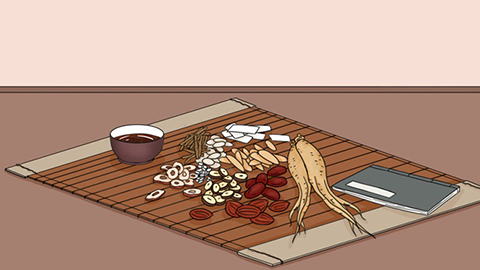
In cases of acute perianal eczema, TCM formulas such as Long Dan Xie Gan Tang (Gentiana Decoction to Drain the Liver) or Si Wu Xiao Feng Yin (Four-Substance Wind-Dispelling Decoction) may be prescribed to clear heat, dispel wind, resolve dampness, and relieve itching. For chronic perianal eczema, formulas that nourish the blood, dispel wind, resolve dampness, and alleviate itching are recommended.
4. Topical Therapy
Patients with acute perianal eczema may benefit from sitz baths or fumigation using decoctions containing herbs such as Atractylodes lancea (Cang Zhu), Phellodendron amurense (Huang Bai), Rehmannia glutinosa (Di Huang), Rheum palmatum (Da Huang), and Sophora flavescens (Ku Shen). For chronic perianal eczema, topical applications such as coal tar ointment or fluocinonide ointment may be used.
The above outlines the primary treatment approaches for perianal eczema. Individuals diagnosed with perianal eczema should seek timely medical evaluation and, under professional guidance, select an appropriate treatment strategy based on their specific symptoms—thereby optimizing therapeutic outcomes and minimizing further discomfort. We hope this information proves helpful to you.


