


What Should a Postpartum Woman Do If She Develops Hemorrhoids?

Many women develop hemorrhoids after childbirth, as the postpartum recovery period often involves prolonged bed rest and limited physical activity. Remaining in one position for extended periods increases the risk of developing hemorrhoids. Hemorrhoids can cause significant pain, severely affecting overall health and interfering with breastfeeding—thus causing considerable inconvenience in daily life. So, what should a new mother do if she develops hemorrhoids? Let’s explore the options below.
What Should a Postpartum Woman Do If She Develops Hemorrhoids?
1. Pay Attention to Diet
Consume easily digestible foods; drink plenty of water and eat fiber-rich foods such as fresh vegetables, fruits, tremella (silver ear fungus), and kelp. Moderately incorporating cooling foods—such as mung beans—can help prevent constipation. Avoid spicy, stimulating, or greasy foods (e.g., scallions, ginger, garlic, chili peppers), as these may exacerbate symptoms.

2. Engage in Appropriate Physical Activity
Regular, gentle exercise helps strengthen pelvic floor muscles and plays an important role in preventing and managing hemorrhoids. For example, performing Kegel (anal sphincter) exercises promotes local blood circulation and enhances intestinal motility. Avoid prolonged standing, sitting, or squatting—maintaining any single posture for too long should be minimized.
3. Medication and Local Treatment
Soak the affected area daily in a potassium permanganate solution or take sitz baths for treatment. If anal pain is severe, apply warm or cold compresses locally to relieve discomfort. Under medical guidance, topical hemorrhoid ointments may also be used to alleviate pain.
4. Adopt Healthy Daily Habits
Establish a routine of regular, timely bowel movements. Change and wash undergarments frequently, and keep the perianal area clean and dry. After defecation, rinse the area with warm water.
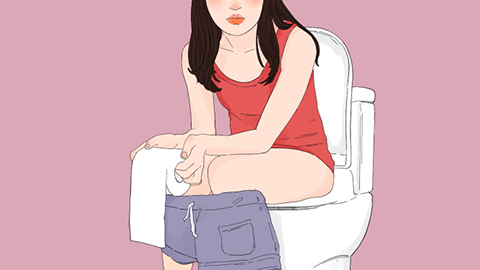
The above outlines practical approaches for managing hemorrhoids in the postpartum period. In severe cases, surgical intervention may be necessary. Additionally, staying well-hydrated and engaging in regular light activity (e.g., walking) can effectively alleviate symptoms. We hope this information proves helpful to you.


