


What Factors Contribute to Increased Smegma Production?
Apr 02, 2022
Source: Cainiu Health

Dr. Li Mingchuan
Introduction
Most cases of increased smegma are caused by infections. Patients with disordered sexual activity are particularly prone to infection, which may lead to increased smegma accumulation. Increased smegma can also occur following infections with *Staphylococcus*, *Escherichia coli*, or other bacteria. Additionally, it may result from phimosis (excessively long or tight foreskin).
Neglecting daily personal hygiene can lead to inflammation accompanied by an unpleasant odor. Many men mistakenly assume this indicates an underlying disease, when in fact it may simply result from inadequate cleaning—leading to an accumulation of smegma. So, what factors contribute to increased smegma production?
Factors Contributing to Increased Smegma Production
Most cases of excessive smegma are caused by infection. Individuals with irregular or unprotected sexual activity are at higher risk of infection, which may also trigger increased smegma accumulation. Infections caused by Staphylococcus aureus, Escherichia coli, or other bacterial pathogens can likewise result in elevated smegma levels. Additionally, phimosis (excessively long or tight foreskin) is a common contributing factor. Smegma accumulation is particularly prevalent among men with phimosis because the redundant foreskin traps debris and secretions, making thorough cleansing difficult and facilitating smegma buildup.
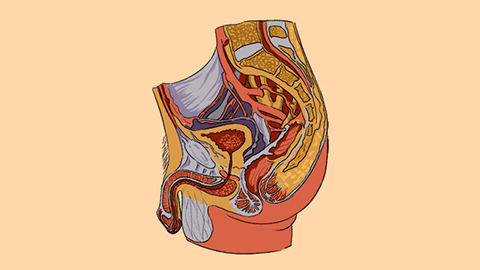
A sudden increase in smegma may also stem from a narrow preputial opening (stenotic preputial orifice), which prevents full retraction of the foreskin over the glans penis. Consequently, sebum secreted by the sebaceous glands of the foreskin and glans cannot be adequately removed. Over time, this sebum mixes with desquamated skin cells and other debris, progressively accumulating to form smegma. Poor hygiene habits may also play a role: some men rarely bathe, neglect genital cleaning altogether, or fail to routinely retract the foreskin for proper washing. Such practices promote smegma accumulation and may even lead to foul-smelling, necrotic tissue changes.

Sudden smegma accumulation may be associated with balanoposthitis—often due to bacterial infection—or may relate to poor hygiene or anatomical factors such as phimosis or paraphimosis. Therefore, men who notice increased smegma should take this seriously, promptly clean the area, and address any underlying causes to safeguard genitourinary health and reduce the risk of inflammatory conditions. We hope this information proves helpful.


