


What is retrograde ejaculation?

Retrograde ejaculation refers to a condition in which, following sexual intercourse and attainment of orgasm, the individual experiences the sensation of ejaculation, yet semen does not exit through the urethral meatus; instead, it flows retrogradely through the prostate into the bladder. Retrograde ejaculation can impact both the male patient and his partner—for instance, by preventing sperm from entering the female vagina, potentially leading to infertility. So, what exactly is retrograde ejaculation?
What Is Retrograde Ejaculation?
Retrograde ejaculation is defined as the abnormal passage of semen into the bladder rather than out through the urethra following orgasm. In affected individuals, urinalysis performed shortly after orgasm typically reveals a large number of sperm. If a man consistently achieves orgasm during sexual intercourse but no semen is expelled, retrograde ejaculation should be strongly suspected. Moreover, because the physiological process of ejaculation still occurs—albeit with semen failing to exit the body—it is sometimes necessary to differentiate retrograde ejaculation from anejaculation (complete absence of ejaculation).
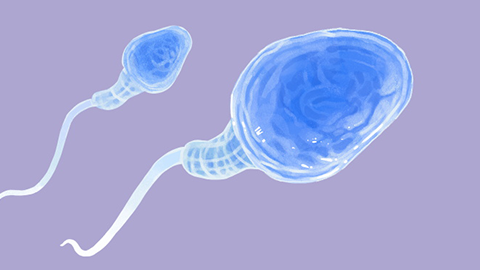
Retrograde ejaculation occurs when a man experiences orgasm and performs the physical act of ejaculation during intercourse, yet semen fails to exit the body via the urethra and instead flows backward from the posterior urethra into the bladder—a phenomenon termed “retrograde ejaculation.” Post-ejaculatory urinalysis commonly detects abundant sperm. In healthy adult males, during orgasm and ejaculation, the bladder neck closes under sympathetic nervous system control, allowing urine (and semen) to exit the body via the urethra.
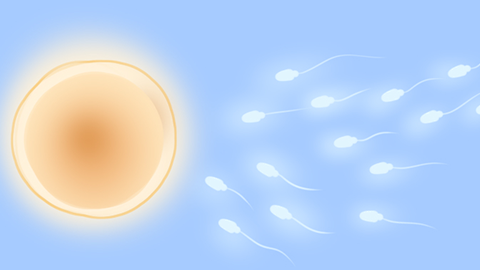
If the anatomical integrity of the bladder neck is compromised or if autonomic neural regulation is disrupted, the bladder neck may remain open during ejaculation, permitting semen to flow retrogradely into the bladder—resulting in retrograde ejaculation. Thus, anatomical abnormalities affecting the bladder neck or interruption of sympathetic innervation to the urinary tract may impair the function of the bladder neck and urethral sphincter, thereby facilitating semen reflux into the bladder. We hope this explanation proves helpful.


