


How to Treat Seborrheic Dermatitis on the Face

Seborrheic dermatitis is a non-contagious skin condition. Patients typically experience mild pruritus (itching) at affected sites; in more severe cases, greasy scales or crusts may develop. When lesions occur on the face, they can significantly impact appearance, necessitating prompt and active treatment. So, how is facial seborrheic dermatitis treated? Let’s explore the options below.
How to Treat Facial Seborrheic Dermatitis
1. Oral Medication Therapy
Oral medications are commonly used to treat seborrheic dermatitis. For patients with pronounced pruritus, oral antihistamines—such as cetirizine hydrochloride—are often prescribed. In cases of severe itching, short-term systemic corticosteroids may be considered, owing to their potent anti-inflammatory and anti-allergic effects.
2. Topical Medication Therapy
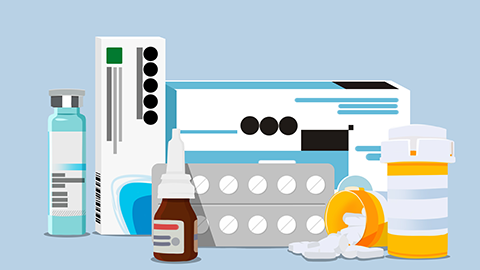
Topical treatments are widely employed for seborrheic dermatitis. Erythromycin ointment is frequently used due to its antibacterial and anti-inflammatory properties. Other effective topical agents include chloramphenicol and dexamethasone. Additionally, selenium sulfide shampoo or lotion may be applied topically; it inhibits bacterial growth and effectively alleviates symptoms.
3. Dietary Management
Dietary adjustments play an important supportive role in recovery. Patients should avoid excessively fatty or oily foods, as seborrheic dermatitis is associated with overactive sebaceous glands—consuming high-fat foods may exacerbate the condition. Instead, increasing intake of fruits and vegetables—rich in fiber and vitamins—can promote healing.
The above outlines key approaches to treating facial seborrheic dermatitis. During treatment, patients are advised to consume foods high in dietary fiber and vitamins, avoid staying up late, ensure adequate sleep, and maintain a positive mood—all of which contribute favorably to recovery. We hope this information proves helpful to you.


