


Can phimosis affect sperm quality?

Phimosis—a condition in which the foreskin is excessively long—is common among many men. However, many individuals underestimate its significance, believing circumcision is unnecessary. In fact, phimosis can adversely affect not only the individual but also his sexual partner—and may even impair fertility. So, does phimosis affect sperm quality?
Does Phimosis Affect Sperm Quality?
Phimosis can indirectly impact sperm production and quality. Accumulated debris and smegma beneath the foreskin cause chronic irritation to the glans penis—particularly within the coronal sulcus—predisposing affected individuals to balanitis and balanoposthitis. Furthermore, recurrent urinary tract infections may progress to prostatitis or epididymitis. These inflammatory conditions can compromise sperm motility and alter seminal viscosity, potentially leading to infertility. They may also contribute to cystitis, nephritis, prostatitis, and recurrent episodes of balanoposthitis.
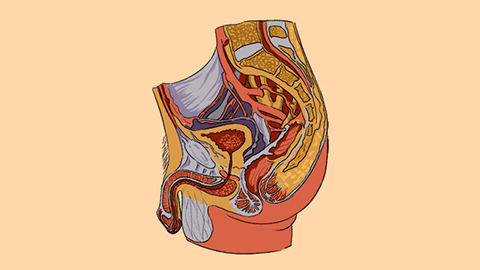
Indeed, phimosis can negatively affect sperm quality. Excessive foreskin facilitates the accumulation of large amounts of smegma. Research indicates that smegma possesses spermicidal properties—or at least significantly impairs sperm motility. Thus, phimosis can directly compromise sperm quality. Regular gentle retraction and cleansing of the foreskin with warm water helps prevent smegma buildup and subsequent bacterial colonization, thereby effectively reducing the risk of inflammation affecting the glans, urethra, and foreskin.

If recurrent local inflammation occurs—or if you perceive your foreskin to be excessively long—you may consider scheduling a circumcision procedure. Generally, phimosis does not interfere with ejaculation. During sexual intercourse, male function is largely unaffected by the presence of excess foreskin. However, if semen analysis reveals low sperm quality—potentially reducing conception probability—further evaluation is warranted, including examinations of the prostate, scrotum, and related structures. Once the precise underlying cause is identified, targeted treatment can be initiated to restore normal semen parameters. We hope this information proves helpful.


