


Causes of Acute Brain Death

As society advances, people are increasingly burdened by stress. It is not uncommon to hear reports of individuals suddenly dying from acute brain death—often occurring during work hours. So, what are the causes of acute brain death? Let’s explore them together.
Causes of Acute Brain Death
Acute brain death—also referred to as sudden death—typically occurs in individuals who appear outwardly healthy but harbor underlying, potentially life-threatening conditions such as tumors, cerebral edema, or brain herniation. During an acute episode, systemic hypoxia and metabolic derangement rapidly develop, leading to cerebral hypoxia and irreversible neuronal necrosis, culminating in abrupt death.
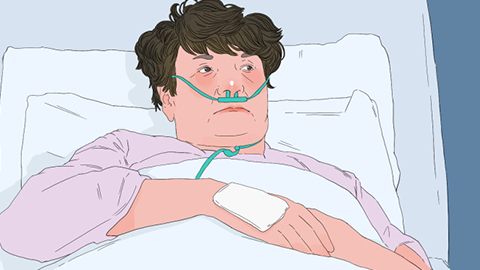
Another common cause is vascular occlusion. During emotional surges, blood flow accelerates; if a vessel becomes obstructed, blood circulation is severely impaired, potentially resulting in vessel rupture and fatal hemorrhage. Severe traumatic brain injury—causing extensive damage to brain tissue and neurons, with consequent loss of physiological function—can also precipitate acute brain death. Additionally, cardiac disorders—including myocardial rupture, severe arrhythmias, or acute heart failure—may compromise cerebral perfusion and oxygenation, ultimately triggering brain death.
Brain tissue begins to die irreversibly after just 4–6 minutes of oxygen deprivation. Following brain death, spontaneous respiration ceases, voluntary muscle activity disappears, pupils become fixed and dilated, and the pupillary light reflex is lost. However, cardiac activity may persist for a period post-brain death. With pharmacological support and mechanical ventilation, other organ systems may remain functional for some time.
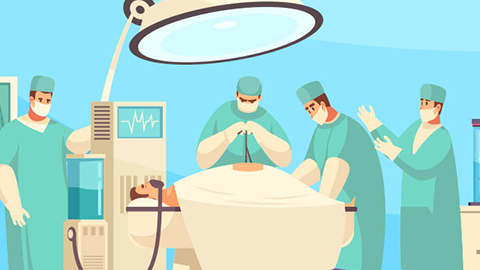
The above outlines the primary causes of acute brain death. Experts emphasize that chronic sleep deprivation places excessive strain on the heart and liver, keeping them in a state of sustained hyperactivity. Although no overt symptoms may be apparent, subclinical functional impairments are already underway—significantly increasing the risk of acute brain death. Therefore, everyone should cultivate a positive, balanced mindset; maintain a healthy work–rest rhythm; engage regularly in physical activity; and avoid prolonged late-night hours—measures proven effective in preventing such catastrophic events. We hope this information proves helpful to you.


