


What are the treatment options for genital tuberculosis?

Genital tuberculosis predominantly affects women, most commonly those aged 20–40 years. However, postmenopausal elderly women are also at increased risk. In women, genital tuberculosis may cause lower abdominal pain, prolonged or irregular vaginal bleeding, and menorrhagia. What treatment options are available for genital tuberculosis?
What Are the Treatment Options for Genital Tuberculosis?
There are three primary treatment modalities for genital tuberculosis: 1. Supportive therapy 2. Antitubercular drug therapy 3. Surgical intervention
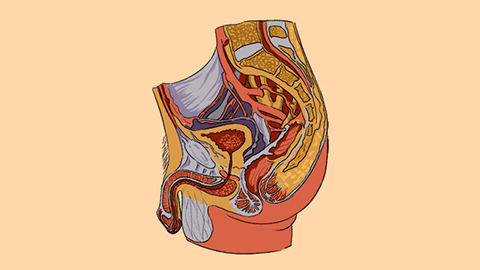
1. Supportive therapy: Acute cases require bed rest for at least three months. In contrast, patients with chronic disease may engage in moderate physical exercise, balancing activity with adequate rest, while ensuring optimal nutritional support.
2. Antitubercular drug therapy: Early diagnosis and prompt initiation of treatment are essential. Therapy should be administered regularly, combined with appropriate rest and moderate physical activity. First-line oral medications typically include isoniazid and rifampin; rifampin is best taken on an empty stomach—one hour before meals—to maximize absorption. Patients must strictly adhere to their physician’s instructions and avoid self-medicating or altering the prescribed regimen.
3. Surgical intervention: Surgery may be indicated if pelvic tuberculous lesions fail to resolve completely following antitubercular drug therapy. It is also considered when the disease recurs repeatedly or proves refractory to medical management.
Surgical procedures primarily involve salpingo-oophorectomy (removal of the fallopian tube(s) and ovary/ovaries) or total hysterectomy with bilateral salpingo-oophorectomy. We hope this information is helpful to you.


