


What Causes Low Urine pH?

A low urine pH (i.e., acidic urine) may result from physiological factors or various pathological conditions. Most diseases cannot be diagnosed based solely on urine pH; instead, clinical symptoms and other diagnostic test results must be integrated for comprehensive assessment. So, why might urine be more acidic?
Causes of Low Urine pH
There are numerous potential causes of a low urine pH, requiring individualized evaluation. A low urine pH indicates acidic urine—not alkaline, as incorrectly stated in the original text. Urine pH reflects the acidity or alkalinity of urine and serves as an indicator of the kidneys’ ability to regulate the body’s acid-base balance—thus reflecting renal function. In healthy individuals, normal urine pH ranges from 4.6 to 8.0; a value within this range (especially toward the lower end, e.g., 4.6–6.0) signifies acidic urine.
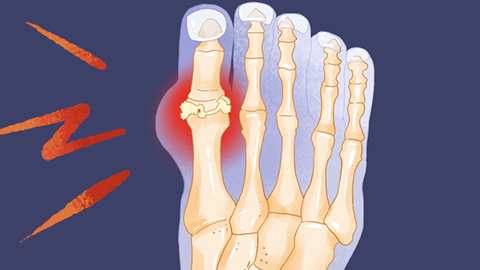
In conditions such as metabolic acidosis, chronic glomerulonephritis, gout, and diabetes mellitus, increased excretion of acidic metabolites into the urine leads to a lower urine pH. In respiratory acidosis—caused by CO2 retention—excess acid accumulates in the blood; the kidneys compensate by excreting more hydrogen ions into the urine, thereby lowering urinary pH.

Because low urine pH may signal underlying disease, clinical interpretation must consider the patient’s specific symptoms and overall clinical context. Physiological factors that may cause low urine pH include vigorous exercise, excessive sweating, and stress. Pathological causes require further investigation. We hope this explanation is helpful to you.


