


What Causes Sudden Dizziness and Vomiting in Elderly Individuals?

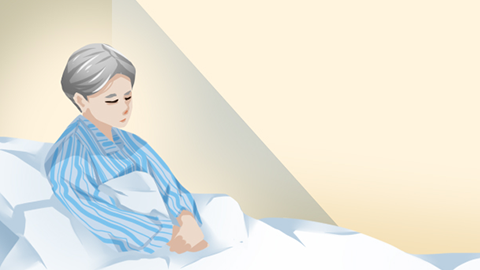
Sudden dizziness and vomiting in elderly individuals represent a serious medical condition; if not promptly addressed, it may endanger the patient’s life. So, what causes sudden dizziness and vomiting in older adults? Let’s explore this together.
What Causes Sudden Dizziness and Vomiting in Elderly Individuals?
1. Ear Disorders
Sudden dizziness and vomiting in the elderly may stem from ear-related conditions, such as benign paroxysmal positional vertigo (BPPV), Ménière’s disease, or vestibular paroxysmal vertigo. The inner ear comprises both the cochlea and the vestibular system—the latter serving as the body’s primary balance organ. When vestibular dysfunction occurs, patients may experience acute-onset dizziness, nausea, and vomiting.
2. Brain Disorders
In addition to ear disorders, various neurological conditions can also cause dizziness and vomiting in the elderly. Examples include cerebellar lesions and temporal lobe abnormalities.
3. Gastrointestinal Disorders
Sudden dizziness and vomiting in older adults are frequently associated with gastrointestinal diseases. Many elderly individuals suffer from chronic gastritis, gastric ulcers, or other digestive tract disorders. Medications used for treatment may induce adverse drug reactions, leading to gastrointestinal side effects—including nausea, vomiting, and dizziness.
4. Cardiovascular and Cerebrovascular Diseases
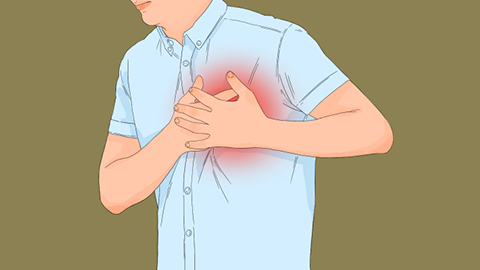
Elderly individuals commonly have underlying cardiovascular or cerebrovascular conditions. For instance, hemorrhagic or ischemic cerebrovascular diseases can trigger acute vertigo episodes; when vertigo is severe, accompanying symptoms such as nausea and vomiting may occur.
The above outlines potential causes of sudden dizziness and vomiting in elderly individuals. Therefore, when such symptoms arise, it is strongly recommended that the patient seek medical evaluation—ideally including blood pressure measurement, complete blood count (CBC), and, if necessary, cranial CT or MRI imaging—to identify the underlying cause and initiate appropriate, targeted treatment. We hope this information proves helpful.


