


What Are the Symptoms of Candida Infection in Men?

Candidiasis in some men adversely affects their daily life and health, leading to decreased immune function. So, what are the symptoms of candidiasis in men?
What Are the Symptoms of Candidiasis in Men?
Cutaneous and mucosal candidiasis primarily affects the oral cavity and pharynx—for example, oral thrush (pseudomembranous candidiasis). Some patients may also develop pharyngeal or external genital candidiasis. Additionally, invasive deep-organ candidiasis may involve systemic manifestations such as candidemia, hepatosplenic candidiasis, or endocarditis. Since Candida species commonly colonize human mucosal surfaces, they are considered opportunistic pathogens—typically non-pathogenic under normal conditions but capable of proliferation and causing disease when host immunity is compromised.
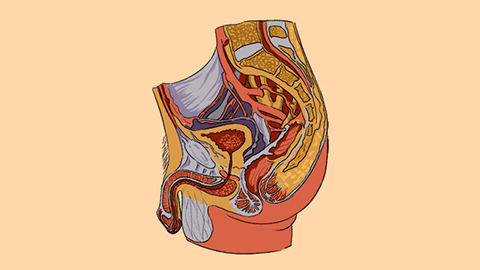
As Candida species typically colonize mucosal surfaces and other body sites, they act as opportunistic pathogens—non-infectious under normal physiological conditions but capable of overgrowth and pathogenicity when host immunity is impaired. Commonly affected areas include the axillae, inframammary folds, groin, perianal region, and gluteal cleft. Superficial pustules with thin walls may also be observed. In severe cases, candidal infection in men can spread to the penis, scrotum, inner thighs, and groin.

Generally, topical antifungal creams or lotions may be used to treat male candidiasis. A sodium bicarbonate (baking soda) wash may also provide symptomatic relief. If symptoms persist, medical evaluation at a healthcare facility is recommended. We hope this information has been helpful.


