


How to Treat Phimosis and Postoperative Care Instructions

A small proportion of males experience phimosis due to an excessively long foreskin, which not only reduces quality of daily life but also impairs sexual function and may lead to feelings of inferiority. How is excessive foreskin-related phimosis treated, and what postoperative precautions should be observed?
Treatment of Phimosis Due to Excessive Foreskin and Postoperative Precautions
Currently, surgical intervention is the primary treatment for phimosis caused by an excessively long foreskin. Procedures include conventional circumcision and stapler-assisted circumcision. Following recovery, the glans penis becomes fully exposed, and the penis regains its normal anatomical appearance. If phimosis has led to balanoposthitis (inflammation of the glans and foreskin), initial management should involve antiseptic cleansing with a surgical-grade disinfectant and topical application of antibacterial ointment. Once inflammation has resolved, definitive surgical treatment can be pursued.
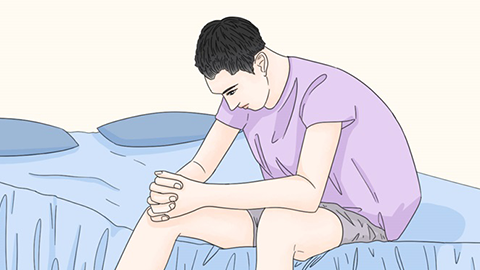
Phimosis is a common and frequently occurring condition in urology. Management strategies must be individualized based on patient age and clinical presentation. In infants with phimosis, if no surgical indication exists, gentle separation of preputial adhesions is recommended, along with careful hygiene and regular cleaning to prevent re-adhesion. In adolescents, surgery may not be immediately necessary; however, diligent daily cleaning and good hygiene practices are essential. Nevertheless, adolescent phimosis generally warrants circumcision to avoid potential adverse effects on penile development and growth. In adults, untreated redundant foreskin or phimosis increases the risk of chronic balanoposthitis and even penile cancer, thus surgical intervention is typically indicated.
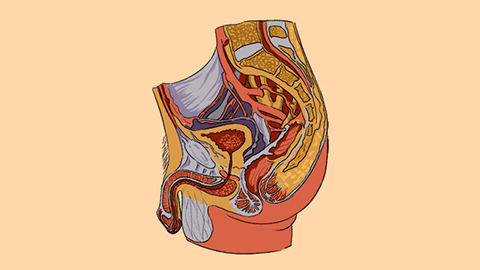
During the first week following phimosis surgery, patients are advised to rest in bed as much as possible. It is important to avoid maintaining a single posture for prolonged periods; instead, gentle movement at regular intervals is encouraged, as this promotes recovery. However, physical activity should remain moderate—excessive exertion may cause wound dehiscence. We hope this information proves helpful to you.


