


Why does heart failure cause excessive phlegm?

Heart failure (HF) often presents with symptoms such as reduced exercise tolerance, fatigue, and generalized weakness in some patients. The most common cause is pulmonary congestion leading to dyspnea, combined with an inability of cardiac output to increase appropriately during physical activity—resulting in inadequate perfusion of vital organs and tissues.
Why do heart failure patients produce excessive phlegm?
In general, when a heart failure patient experiences increased sputum production, two primary factors should be considered:
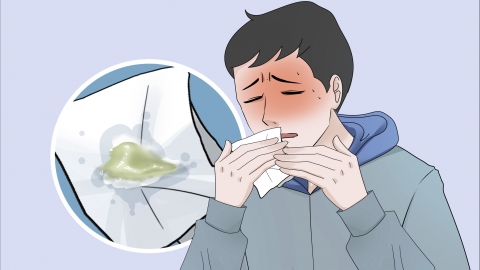
1. Upper or lower respiratory tract infection—such cases typically present with yellow or thick white sputum. Most affected patients are elderly, and respiratory infections tend to exacerbate heart failure. Moreover, once heart failure patients develop pulmonary infection, resolution is often delayed. Therefore, early consultation with a pulmonologist is strongly recommended.Laboratory tests should be performed to identify the causative pathogen, followed by appropriate antibiotic therapy. Cough suppressants or nebulized treatments may also be used, if necessary, to facilitate sputum clearance.
2. Acute decompensated heart failure—here, sputum is typically thin, frothy, and white—or pink-tinged (indicating pulmonary edema). Patients frequently experience concomitant chest tightness, shortness of breath, and profuse sweating. Immediate hospitalization is essential for intravenous pharmacotherapy and, if required, mechanical ventilatory support to alleviate heart failure symptoms.
Thus, patients are advised to maintain a scientifically balanced diet and undergo regular follow-up evaluations to optimize prevention and management.
We hope this information is helpful to you.


