


What does it mean when there is blood on the toilet paper after a bowel movement?

Many people habitually check their stool after using the toilet, as bowel movements can reflect one’s recent health status to some extent. Detecting abnormalities in stool—such as blood—early on may help identify potential health issues promptly. Some individuals specifically examine toilet paper for traces of blood following defecation. So, what does it mean when there is blood on the toilet paper after a bowel movement? Let’s explore this together.
What Causes Blood on Toilet Paper After a Bowel Movement?
1. Excess Internal Heat (“Shang Huo”)
Consuming excessive spicy or heat-inducing foods over a short period may lead to internal heat accumulation and constipation. In such cases, the stool itself typically appears normal (without visible blood), yet fresh, bright-red blood may appear on the toilet paper. To prevent worsening of internal heat, reduce intake of spicy foods and increase consumption of high-fiber, vitamin-rich foods—such as vegetables and fruits—to promote regular, soft bowel movements.
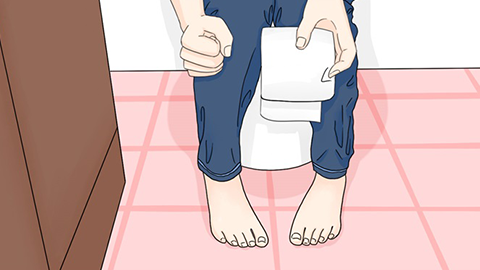
2. Anal Fissure
Dry, hard, or large stools can cause tearing of the anal canal or perianal skin, resulting in bleeding. While the stool itself remains blood-free, bright-red blood appears on the toilet paper, often accompanied by pain during defecation and constipation. To minimize risk, avoid straining excessively during bowel movements; instead, consume stool-softening foods or medications as needed. Bleeding from an anal fissure is usually minimal and most commonly observed on toilet paper.
3. Hemorrhoids
Prolonged standing or other factors may contribute to hemorrhoid development. The hallmark symptom is painless rectal bleeding, though some patients also experience discomfort, anal heaviness, or a sensation of prolapse. Blood on toilet paper generally indicates mild hemorrhoidal bleeding—but timely intervention is still recommended. Regular practice of Kegel-like “anal lift” exercises (i.e., consciously contracting and relaxing the anal sphincter) helps strengthen pelvic floor muscles, prevent anorectal disorders, and reduce bleeding episodes.
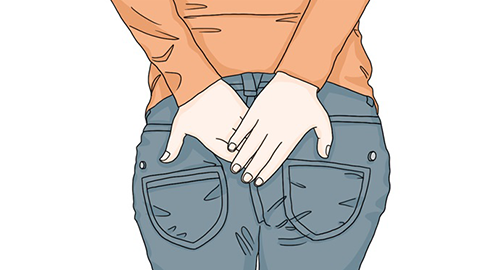
The above outlines common causes of blood appearing on toilet paper after a bowel movement. When stool appears normal but blood is found only on the toilet paper, this is generally not indicative of a serious condition—and need not provoke excessive anxiety. However, vigilance remains important. Regardless of the underlying cause, if this occurs repeatedly within a short timeframe, prompt medical evaluation at a healthcare facility is strongly advised. We hope this information proves helpful to you.


