


How to Effectively Treat Cervicitis

Cervicitis is a common gynecological condition. Its impact can range from mild to severe—causing discomfort or pain, potentially affecting fertility, and, in some cases, progressing to cervical cancer; thus, timely treatment is essential. So, how can cervicitis be effectively treated? Let’s explore the options below.
How to Effectively Treat Cervicitis
In general, patients with cervicitis may achieve symptom relief through daily self-care, pharmacological therapy, or surgical intervention. A detailed breakdown follows:
1. Daily Lifestyle Management
Maintaining a balanced diet can serve as an adjunctive therapy for cervicitis. Patients are advised to avoid spicy and irritating foods—such as hotpot and spicy snacks—and instead consume foods rich in vitamin C, including oranges and tomatoes. It is also important to eliminate unhealthy habits like smoking and alcohol consumption, prioritize adequate rest (avoiding late-night activities), engage in moderate physical exercise, and ensure sufficient nutritional intake to support faster recovery.

2. Pharmacological Therapy
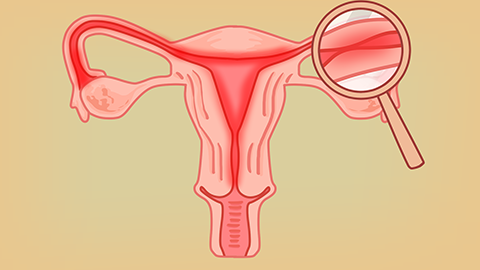
Cervicitis refers to inflammation of the uterine cervix. Common symptoms include increased vaginal discharge, abnormal vaginal bleeding, pruritus vulvae, vulvar burning sensation, and dyspareunia. Under a physician’s guidance, patients may be prescribed medications such as azithromycin dispersible tablets or Jinguangteng capsules.
3. Surgical Intervention
If cervicitis is severe and unresponsive to medication, patients should seek care at a reputable hospital and consider undergoing cervical conization to prevent disease progression and potential unforeseen complications.
The above outlines effective approaches for treating cervicitis. During treatment, patients should prioritize rest, avoid overexertion, strictly abstain from sexual intercourse, maintain rigorous personal hygiene, and perform daily cleansing of the genital area. We hope this information proves helpful to you.


