


Advantages and Disadvantages of Gallbladder-Preserving Cholelithotomy

Gallstones can adversely affect overall health, often causing significant concern and anxiety upon diagnosis. Cholecystolithotomy—surgical removal of gallstones while preserving the gallbladder—is a relatively older surgical approach. What are its advantages and disadvantages?
Advantages and Disadvantages of Cholecystolithotomy
The primary advantage of cholecystolithotomy is gallbladder preservation, thereby avoiding potential declines in bile quality and digestive function associated with cholecystectomy. This helps maintain the patient’s overall digestive capacity. However, a major disadvantage is that if the gallbladder remains chronically inflamed (e.g., chronic cholecystitis), complete resolution is often difficult to achieve. Symptoms of cholecystitis may therefore recur—or even worsen—over time. Moreover, the risk of gallstone recurrence after cholecystolithotomy remains high. Even with long-term, proactive administration of choleretic medications, stone recurrence rates may still reach 10–20%, potentially necessitating repeat surgery.
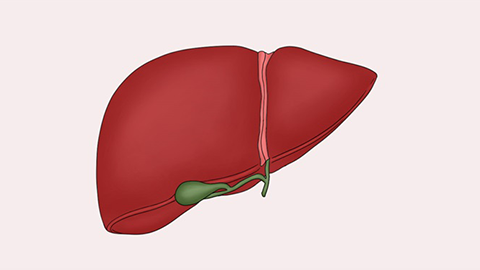
The main benefit of gallbladder preservation lies in retaining the organ’s physiological functions post-surgery—namely, bile storage and concentration—thereby supporting digestion.
The principal drawbacks of gallstone retention include: (1) High recurrence rate—gallstones frequently recur after cholecystolithotomy, with approximately 20% recurrence within 1–2 years, often requiring additional surgical intervention, increased treatment costs, and added patient discomfort; and (2) Increased risk of gallbladder carcinoma—by preserving rather than removing the gallbladder, chronic irritation from stones may promote malignant transformation. Notably, incidental gallbladder cancer is occasionally discovered during routine cholecystectomy.


