


What Is Antral Gastritis?

Antral gastritis is a relatively common condition in daily life, most often caused by poor lifestyle habits and irregular eating patterns. Some individuals may not fully understand what antral gastritis is.
What Is Antral Gastritis?
Antral gastritis is associated with a specific anatomical region. A normal stomach is divided into the fundus, body, angularis (angular portion), and antrum. The gastric antrum lies adjacent to the pylorus and is a common site for gastritis development. Endoscopically, antral gastritis primarily manifests as mucosal hyperemia, edema, and erosion in the antral region. Histopathologically, it shows chronic inflammation and atrophic changes in the gastric mucosa. Increased gastric acid secretion plays a key role in its pathogenesis; Helicobacter pylori infection is another major cause. Primary treatment involves acid-suppressing medications—such as omeprazole—combined with gastric mucosal protectants—such as rebamipide—to effectively manage gastritis.
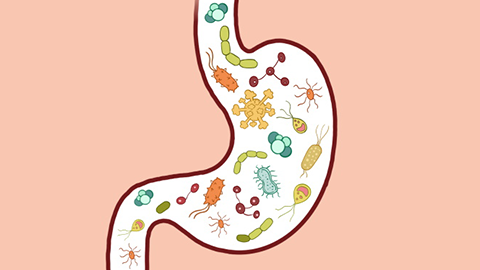
Antral gastritis can be managed through multiple therapeutic approaches. As a chronic inflammatory condition, it commonly presents with upper abdominal distension and severe pain, often occurring in cycles, along with symptoms such as acid reflux, nausea/vomiting, loss of appetite, weight loss, persistent abdominal pain, and iron-deficiency anemia secondary to gastrointestinal bleeding. For cases caused by Helicobacter pylori infection, initial treatment should include oral antibiotics for eradication, followed by adjunctive pharmacotherapy and lifestyle/dietary modifications.

In daily life, proper gastric care is essential. Dietary adjustments are critical: avoid spicy, irritating, or overly stimulating foods, and instead opt for easily digestible meals. We hope this information proves helpful to you.


