


What does it mean when kidney function creatinine levels are low?

In daily life, many individuals are found to have low serum creatinine levels during routine health examinations. There are numerous potential causes for this finding—what, then, does “low renal function creatinine” actually mean?
What does “low renal function creatinine” mean?
When blood urea nitrogen (BUN) and serum creatinine levels fall below the normal reference range in kidney function tests, this finding typically lacks clinical significance. Low creatinine levels may stem from various conditions, including anemia, malnutrition, muscle atrophy, leukemia, or diabetes insipidus. One parameter measured alongside creatinine is BUN; however, BUN values are highly susceptible to numerous confounding factors and thus cannot reliably reflect true kidney function. Moreover, serum creatinine is not a sensitive or timely indicator of early renal dysfunction. Clinically, serum creatinine levels usually rise only after significant pathological damage to the kidneys has occurred—specifically, when the glomerular filtration rate (GFR) has declined by more than 50%.
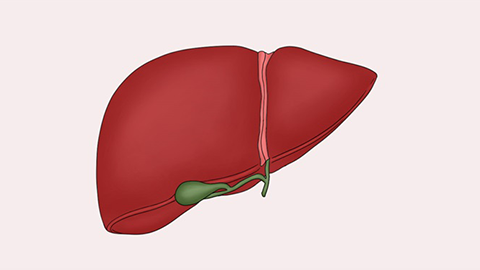
Mildly low serum creatinine generally requires no specific intervention. Several factors can contribute to lower-than-normal creatinine levels: 1) Lower body weight, younger age, slender build, or shorter stature—all of which may naturally yield lower baseline creatinine values, considered physiologically normal.
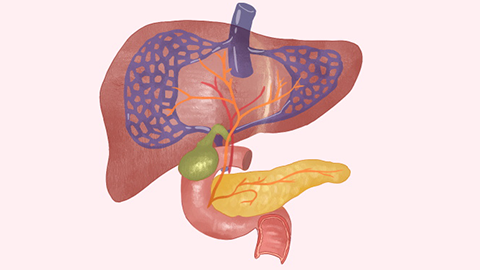
Dietary habits also influence creatinine levels. For instance, a predominantly vegetarian diet—especially one low in meat—may result in lower measured creatinine, as creatinine production is partly dependent on dietary protein intake, particularly from animal sources. Conversely, long-term high-meat consumption may elevate serum creatinine. In summary, low serum creatinine is rarely attributable to intrinsic kidney disease; rather, it commonly reflects individual physiological characteristics, dietary patterns, or other non-renal factors—and therefore typically does not warrant specific treatment. We hope this explanation is helpful to you.


