


What Is Quantitative Hepatitis B Surface Antigen (HBsAg)?

Hepatitis B, also known as chronic hepatitis B, refers to a condition in which hepatitis B virus (HBV) testing yields a positive result. It is characterized by a relatively long incubation period and nonspecific or subtle clinical manifestations; thus, most patients are unaware of their infection until diagnosed via laboratory testing. The disease severity is generally classified as mild, moderate, or severe, and treatment remains challenging. So, what is quantitative hepatitis B surface antigen (HBsAg)?
What Is Quantitative Hepatitis B Surface Antigen (HBsAg)?
Quantitative HBsAg measurement involves using a quantitative assay to determine the precise concentration of HBsAg in serum. Currently, microparticle-based chemiluminescent immunoassay (CLIA) is the most widely used detection method. Quantitative HBsAg not only aids in assessing disease status and selecting appropriate antiviral regimens but also helps evaluate therapeutic responses to interferon and nucleos(t)ide analogues. Moreover, it provides valuable guidance for determining optimal timing for treatment cessation, predicting disease progression, and evaluating prognosis. However, quantitative HBsAg testing cannot currently replace HBV DNA quantification. Comprehensive disease assessment—especially across different clinical stages—requires integration of other serological markers (e.g., the “five-item HBV panel”), liver function tests, liver fibrosis markers, and imaging studies.
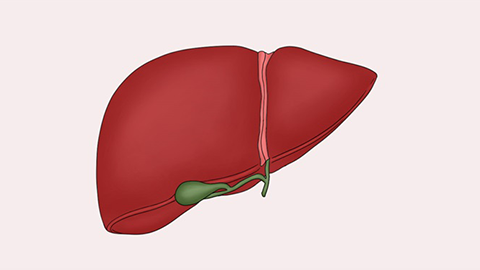
HBsAg is the primary diagnostic marker for chronic hepatitis B. Its serum level correlates with the quantity of covalently closed circular DNA (cccDNA)—the viral replication template—within hepatocytes. Because cccDNA persists stably in the nucleus of infected hepatocytes and is extremely difficult to eradicate, HBsAg clearance remains similarly challenging. What is the clinical significance of quantitative HBsAg measurement? Generally, higher baseline HBsAg levels predict poorer long-term outcomes, including increased risks of cirrhosis and hepatocellular carcinoma.
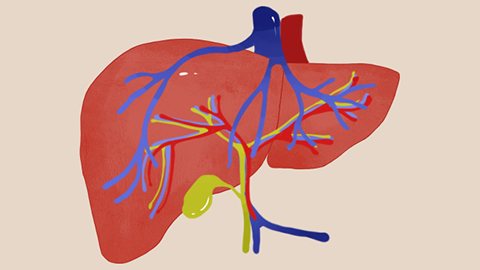
Conversely, lower HBsAg titers are typically associated with better treatment response and lower risk of relapse after discontinuation of therapy. We hope this information is helpful to you.


